Deliciously Light Portuguese Coconut Cakes You’ll Love

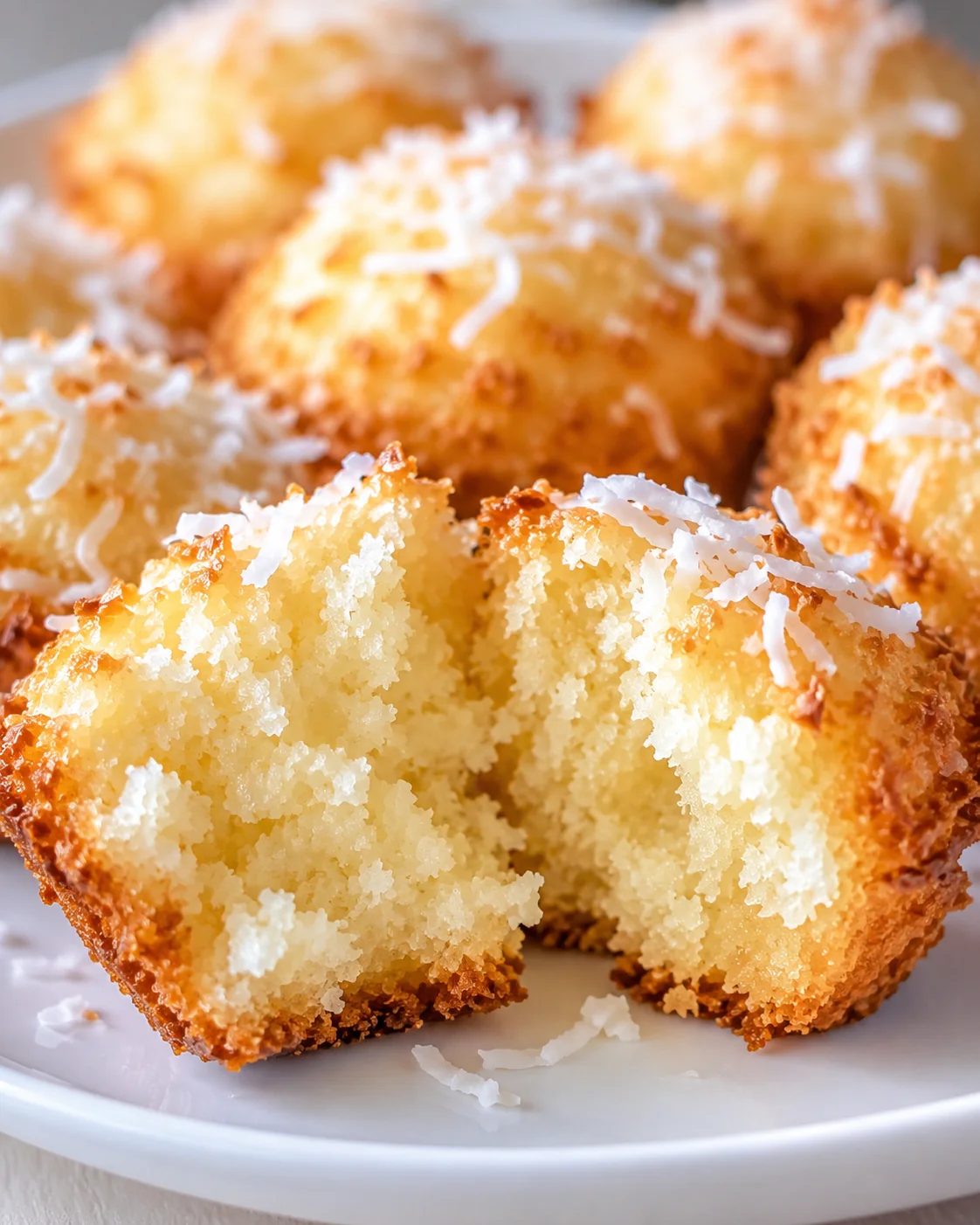
Delightfully Light Portuguese Coconut Cakes You’ll Adore
When I was growing up, weekends meant the house smelling amazing from fresh Portuguese coconut cakes baking in the oven—those warm, sweet scents instantly made everything feel cozy and full of love. These irresistible treats, often called Bolos de Coco, are all about turning simple pantry ingredients into a tropical delight that’s light, fluffy, and downright comforting. What I truly love about these cakes is how easy they are to make and how their subtle sweetness pairs perfectly with rich, creamy coconut. Whether you enjoy them fresh out of the oven or cooled down with a cup of coffee, these Portuguese coconut cakes are like little bites of sunshine. Ready to bring a bit of that tropical charm into your kitchen? Let’s get started!
Welcome! You’re about to discover how simple it is to bake light and delicious Portuguese coconut cakes (Bolos de Coco) that bring tropical vibes into your home with very little effort. This section will guide you through what to expect and how the recipe is laid out, so you can easily find what you need and get baking without a second thought.
Here’s the scoop: these cakes use common pantry staples — coconut milk, shredded coconut, flour, eggs, sugar, and baking powder — and bake at 350°F (175°C) for around 25 minutes in muffin tins or small molds. The steps are simple, and the outcome is a tender cake bursting with coconut flavor that’s wonderful warm or at room temperature.
- What you’ll find here: a clear ingredient list with smart swaps, easy-to-follow steps, tips for keeping your cakes tender and airy, plus storage and freezing advice so leftovers stay just as good.
- Who this is for: bakers of all levels. The method is forgiving and flexible, with suggestions for dairy-free, gluten-free, and vegan alternatives.
- Quick wins: a few simple tricks — don’t overmix, use fresh baking powder, and let the cakes cool a bit in the molds — make all the difference for soft, pretty Portuguese coconut cakes.
Ready to bake something delicious? Keep scrolling for the full ingredient breakdown, equipment list, and detailed step-by-step method so you can make these charming Bolos de Coco with confidence.
What Makes Them Irresistible
Effortlessly Simple: These cakes come together using just a handful of ingredients, making them a breeze for anyone to bake, no matter your experience in the kitchen.
Deep Coconut Flavor: Thanks to coconut milk and shredded coconut, these cakes have a tropical flavor that stands out without overwhelming your palate.
Customize to Your Taste: Enjoy these Portuguese coconut cakes plain or mix things up by adding chocolate chips, a hint of citrus zest, or a drizzle of coconut syrup for extra sweetness. Prefer a crisp, coconutty bite? Try our Coconut Cookies Recipe.
Perfect Anytime Treat: Whether it’s a cozy afternoon coffee or a festive family get-together, these cakes shine as a simple but impressive dessert.
Quick and Painless: Minimal prep and just a few steps mean you can satisfy that coconut craving fast, with little fuss involved.
Ingredients and Handy Substitutions
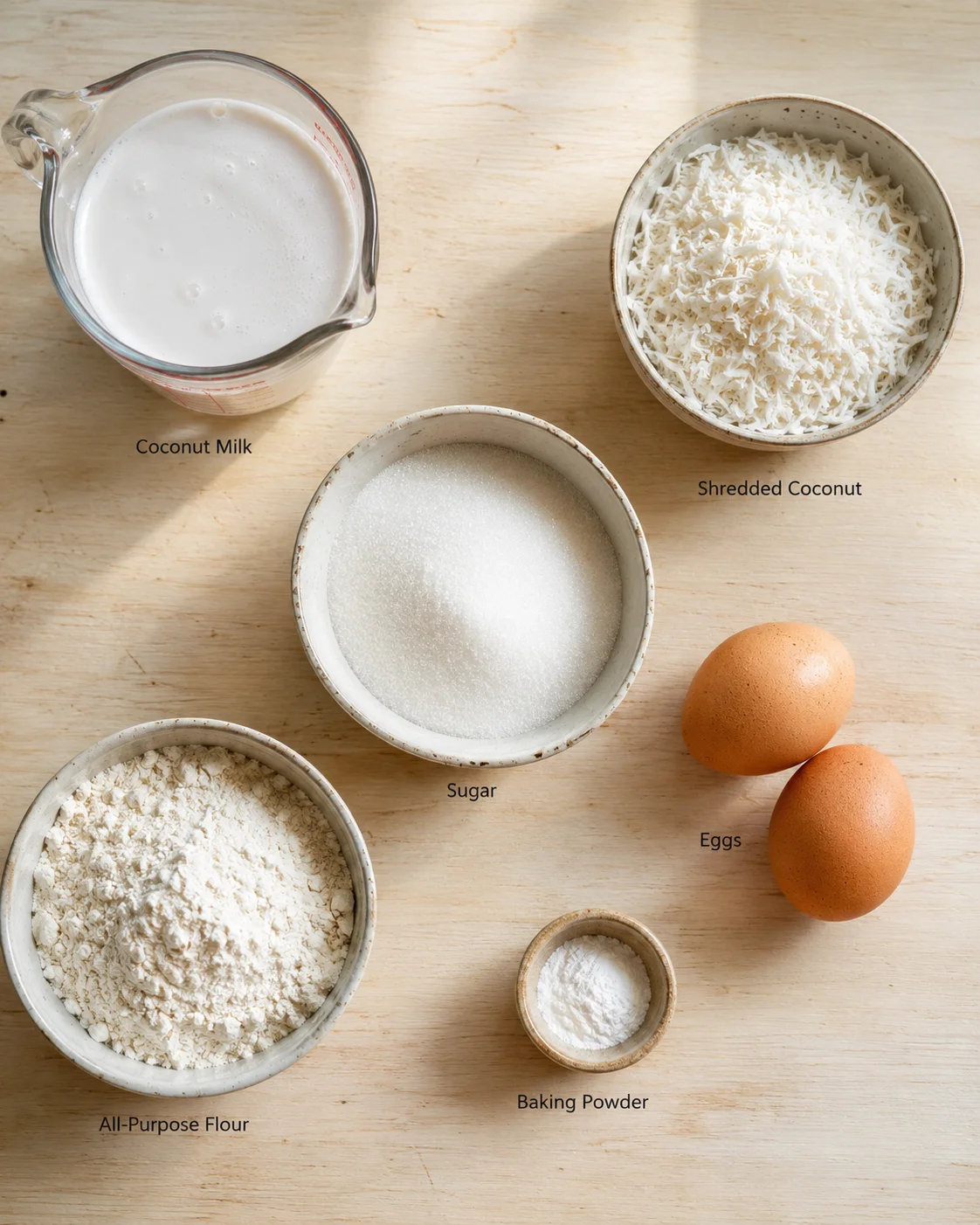
- 1 cup Coconut Milk Swap with almond milk for dairy-free option
- 1 cup Shredded Coconut Use unsweetened to reduce sweetness
- 3/4 cup Sugar Adjust down if you want less sweet
- 2 large Eggs Use flaxseed meal with water for vegan alternative
- 1 cup All-Purpose Flour Can swap with gluten-free flour mix
- 1 tsp Baking Powder Make sure it’s fresh for best rise
From Batter to Beautiful Cakes
- Preheat the oven to 350°F (175°C) and gather all ingredients.
- Stir the coconut milk well before using.
- Whisk coconut milk, eggs, and sugar in a bowl until smooth and the sugar is mostly dissolved.
- Whisk all-purpose flour, shredded coconut, and baking powder in a separate bowl until evenly combined.
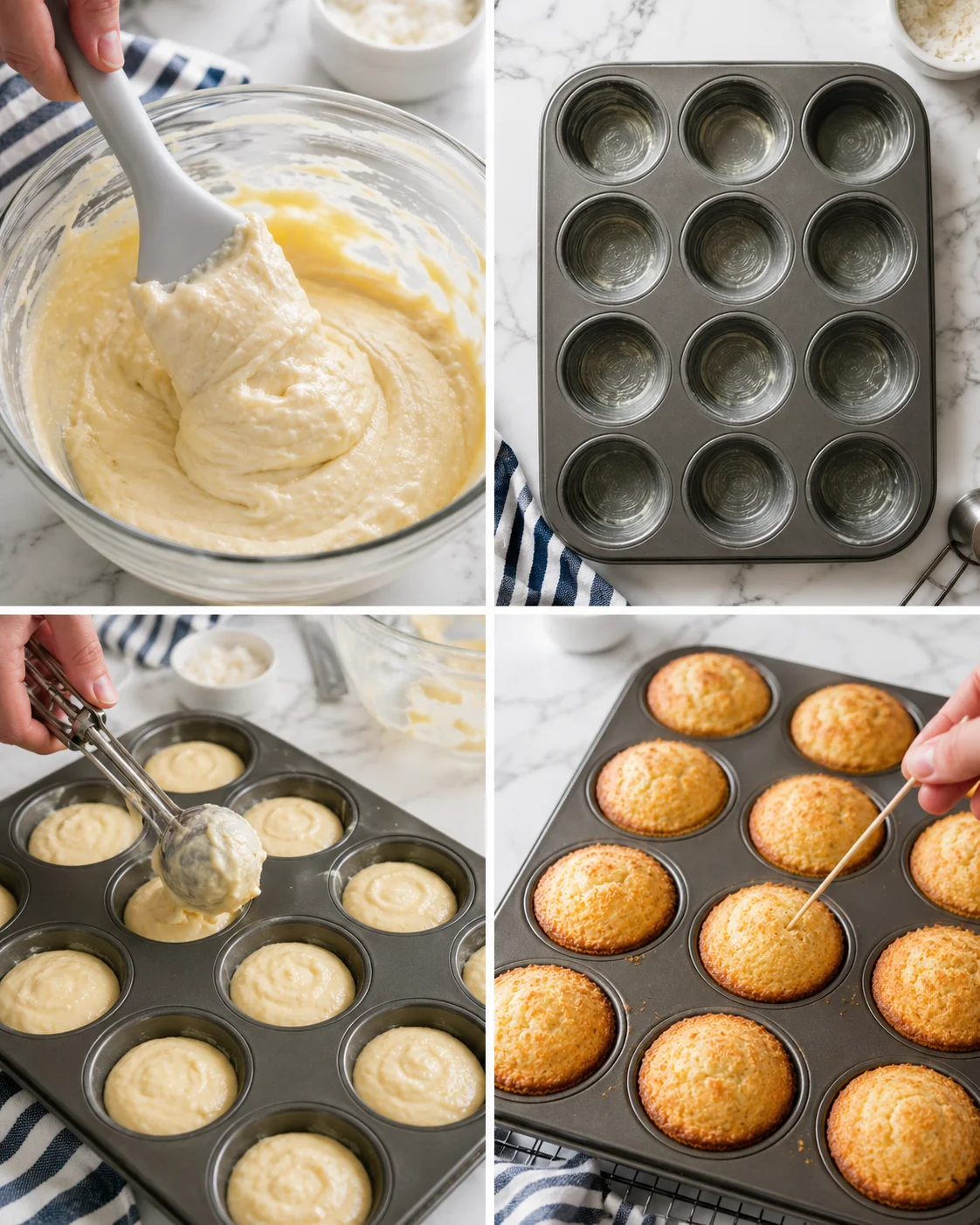
- Gently fold the dry mixture into the wet ingredients just until combined, avoiding overmixing.
- Grease muffin tins or small cake molds.
- Fill each tin or mold about two-thirds full with batter.
-
Bake at 350°F (175°C) for about 25 minutes, or until a toothpick inserted in the center comes out clean and tops are golden.
- Let the cakes cool in the molds for 5 minutes.
- Transfer the cakes to a wire rack to cool completely.
Tips for Light, Fluffy Results
• Stir Coconut Milk Well: Give your coconut milk a good stir before using so the flavor stays even throughout the batter.
• Mix Gently: Don’t overwork the batter—stop mixing as soon as the flour disappears. A few lumps won’t hurt and will keep your cakes light.
• Fresh Baking Powder is Key: Double-check your baking powder’s expiration date to get the best rise and fluffiness.
• Let Cakes Rest Before Removing: Cooling them in the pan briefly helps them hold their shape and keeps them from breaking apart.
• Storage Advice: Place leftovers in an airtight container at room temperature for up to three days. You can also freeze individual cakes for longer storage.
Pairing these wonderful Portuguese coconut cakes with complementary flavors can turn any simple dessert into a special treat.
- Creamy Coconut Ice Cream: The cool creaminess contrasts beautifully with the warm cakes, bringing a tropical flair to your dessert plate.
- Tropical Fruit Salad: A colorful mix of mango, pineapple, and kiwi adds refreshing, bright notes that pair perfectly with coconut.
- Espresso or Coffee: Rich coffee boldness highlights the sweetness and tropical flavors, making for a perfect afternoon combo. For a coffee-forward sweet to round out the spread, serve Chocolate Coffee Cream Cupcakes.
- Coconut Syrup Drizzle: A splash of coconut syrup adds moisture and an extra layer of sweetness—pure indulgence!
- Whipped Cream: Light and fluffy, whipped cream amplifies the cakes’ airy texture and enhances their flavor without overpowering.
- Crispy Biscotti: A crunchy partner to dunk into your coffee or tea, giving you a fun texture contrast with the soft cakes.
- Sparkling Lemonade: The fizz and citrus cut through the richness, providing a lively, refreshing drink alongside your cakes. Citrus lovers might also enjoy Lemon Cupcakes with Blueberry Buttercream.
- Mint Tea: Its clean, soothing flavor refreshes your palate, perfect for balancing the cakes’ sweetness.
Flavor Variations and Mix-Ins
Feel free to make these cakes your own! Here are some easy ways to switch things up:
- Dairy-Free: Swap coconut milk with almond milk to keep it dairy-free, but know this will soften the coconut punch.
- Gluten-Free: Use a gluten-free flour blend instead of regular flour so everyone can enjoy these Portuguese coconut cakes.
- Cut the Sugar: Try reducing sugar for a less-sweet version to let the coconut shine through naturally, or use a gentle natural sweetener like date purée (see these Healthy Rice Krispie Treats sweetened with dates for technique inspiration).
- Add Citrus Zest: Throw in freshly grated lemon or orange zest for a bright, zesty kick that complements the coconut beautifully.
- Chocolate Chips: Mix in some chocolate chips for a decadent chocolate and coconut combo that’s sure to please.
- Nutty Crunch: Fold in chopped almonds or walnuts for extra texture and a nutty twist.
- Coconut Syrup Drizzle: Drizzle the finished cakes with coconut syrup to boost moisture and sweetness—your taste buds will thank you.
- Fresh Tropical Fruit: Top with juicy mango or pineapple pieces for a vibrant, tropical finish that pairs perfectly with coconut.
Storage, Freezing, and Thawing
Fridge: Keep any leftover Portuguese coconut cakes fresh by storing them in an airtight container in the fridge for up to 3 days.
Freezer: Wrap each cake individually in plastic wrap, then pop them into a freezer bag to protect them. They’ll last up to 3 months frozen.
Thawing: When you want a treat, pull a cake from the freezer and let it sit at room temperature for about an hour. If you’re in a hurry, zap it in the microwave for a few seconds to warm it up.
Reheating: Warm up thawed cakes briefly in the microwave (10–15 seconds) or heat them in the oven at 350°F (175°C) for 5–7 minutes to bring back that fresh-baked warmth—the same gentle refresh we use for our Homemade Baked Donuts.
For busy cooks, here’s a great tip: you can prepare your batter up to 24 hours ahead. Keep wet and dry ingredients separate in the fridge, then combine and bake when you’re ready. This saves time and keeps everything fresh for that perfect light texture. Remember to store the batter in airtight containers to avoid drying out. For another bake that uses a similar make-ahead-and-store approach, see the storage notes in our Super Moist Carrot Cake Cupcakes.
Answers to Common Questions
What type of coconut milk is best?
For the richest flavor and moist texture, use full-fat canned coconut milk. If you can only find light coconut milk, it’ll still work, but the cakes won’t be quite as creamy.
How long can I keep leftover Portuguese coconut cakes?
Store them in an airtight container at room temperature for up to 3 days. For longer keeping, freezing is your best bet!
Can I freeze Portuguese coconut cakes?
Yes! Wrap each cake in plastic wrap, place them into a freezer bag, and freeze for up to 3 months. Thaw cakes at room temperature or warm quickly in the microwave before serving.
Why didn’t my cakes rise properly?
Often, this happens if the baking powder is old or you overmixed the batter. Always check your baking powder is fresh and mix only until ingredients are combined to keep cakes light and fluffy.
Are there allergen concerns with Portuguese coconut cakes?
These cakes contain eggs and typically gluten (unless you use gluten-free flour). For vegan and gluten-free options, substitute flaxseed mixed with water for eggs and use gluten-free flour blends.
How do I boost the flavor of Portuguese coconut cakes?
Try adding chocolate chips, nuts, or fresh citrus zest like orange or lemon. A drizzle of coconut syrup after baking adds a wonderful sweetness and moisture too!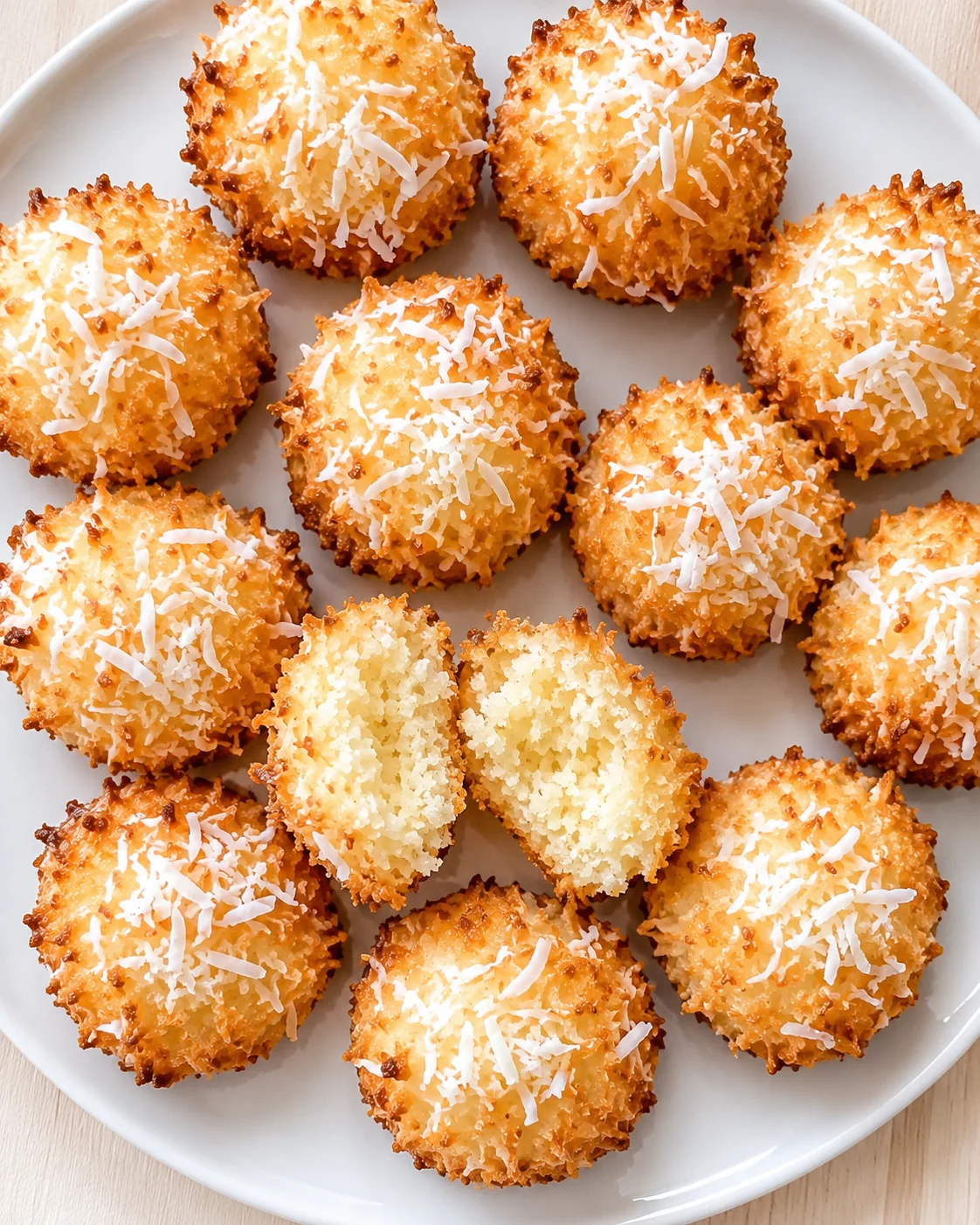
Light, fluffy Portuguese coconut cakes made with coconut milk and shredded coconut for a tropical flavor. Easy to bake in muffin tins or small molds, perfect for a cozy treat or festive dessert.
- Prep Time: 10 minutes
- Cook Time: 25 minutes
- Total Time: 35 minutes
- Yield: 12 small cakes (muffin-size) 1x
- Category: Dessert
- Cuisine: Portuguese
Ingredients
- 1 cup Coconut Milk (full-fat recommended; can swap with almond milk for dairy-free option)
- 1 cup Shredded Coconut (unsweetened to reduce sweetness)
- 3/4 cup Sugar (adjust down if less sweet desired)
- 2 large Eggs (can substitute flaxseed meal mixed with water for vegan alternative)
- 1 cup All-Purpose Flour (can swap with gluten-free flour blend)
- 1 tsp Baking Powder (ensure freshness for best rise)
Instructions
- Preheat the oven to 350°F (175°C) and gather all ingredients.
- Stir the coconut milk well before using.
- Whisk coconut milk, eggs, and sugar in a bowl until smooth and sugar is mostly dissolved.
- In a separate bowl, whisk together all-purpose flour, shredded coconut, and baking powder until evenly combined.
- Gently fold the dry mixture into the wet ingredients just until combined, avoiding overmixing.
- Grease muffin tins or small cake molds.
- Fill each tin or mold about two-thirds full with batter.
- Bake at 350°F (175°C) for about 25 minutes, or until a toothpick inserted in the center comes out clean and tops are golden.
- Let the cakes cool in the molds for 5 minutes.
- Transfer the cakes to a wire rack to cool completely.
Notes
Do not overmix the batter to keep cakes light and tender; a few lumps are okay., Use fresh baking powder to ensure good rise and fluffiness., Cool cakes briefly in the molds to help maintain shape and prevent breaking., Store leftovers in an airtight container at room temperature up to 3 days., Freeze cakes individually wrapped for up to 3 months; thaw at room temperature or warm briefly before serving., Optional mix-ins include chocolate chips, citrus zest, chopped nuts, and coconut syrup drizzle., Prepare batter up to 24 hours ahead by storing wet and dry ingredients separately in the fridge, combine before baking.
Nutrition
- Serving Size: 1 cake
- Calories: Approx. 190 calories per cake (estimate)
- Fat: 7g per serving (estimate)
- Carbohydrates: 28g per serving (estimate)
- Protein: 4g per serving (estimate)