Glazed Vanilla Bundt Cake with Buttermilk (So Moist!)

Glazed Vanilla Bundt Cake with Buttermilk (So Moist!)
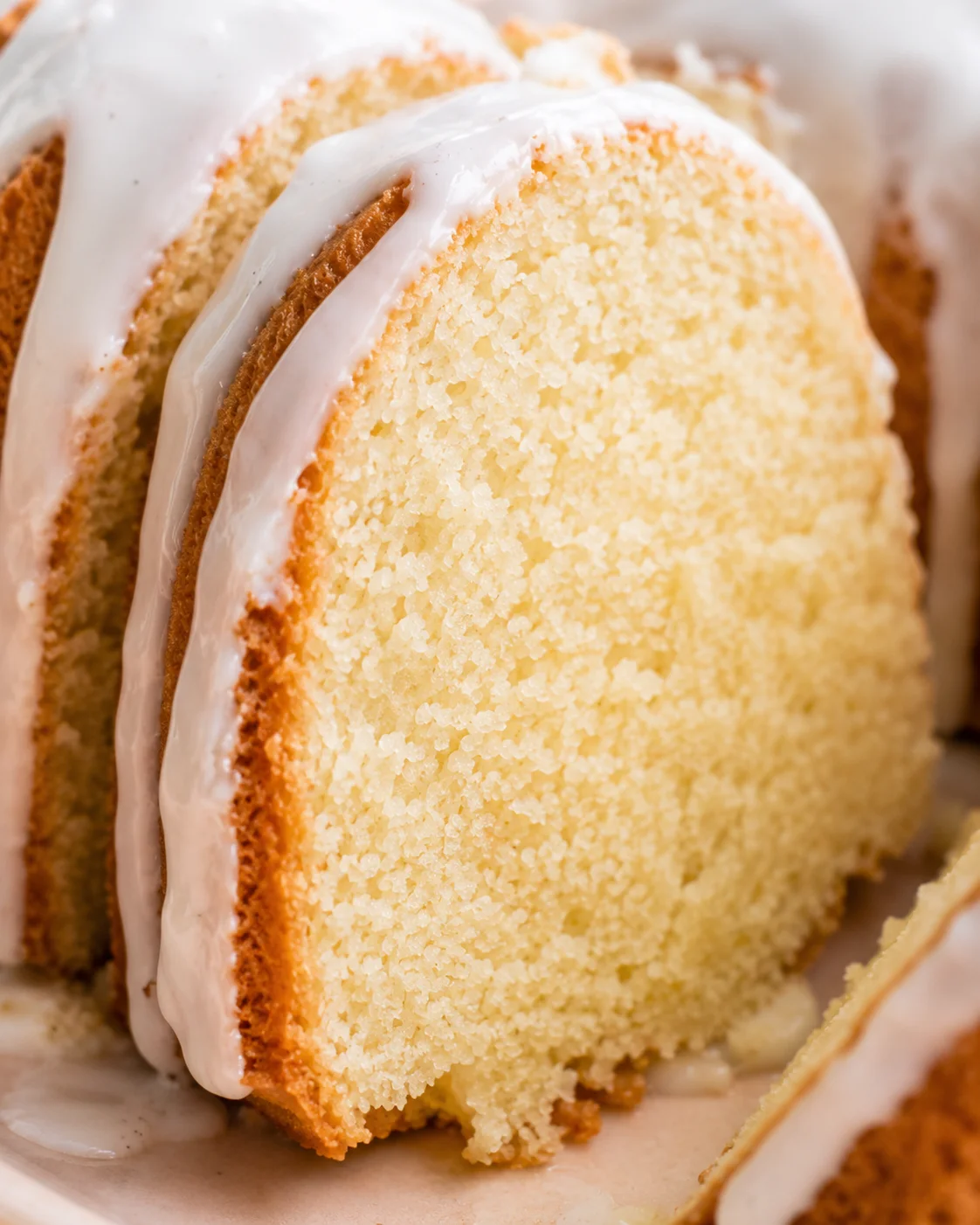
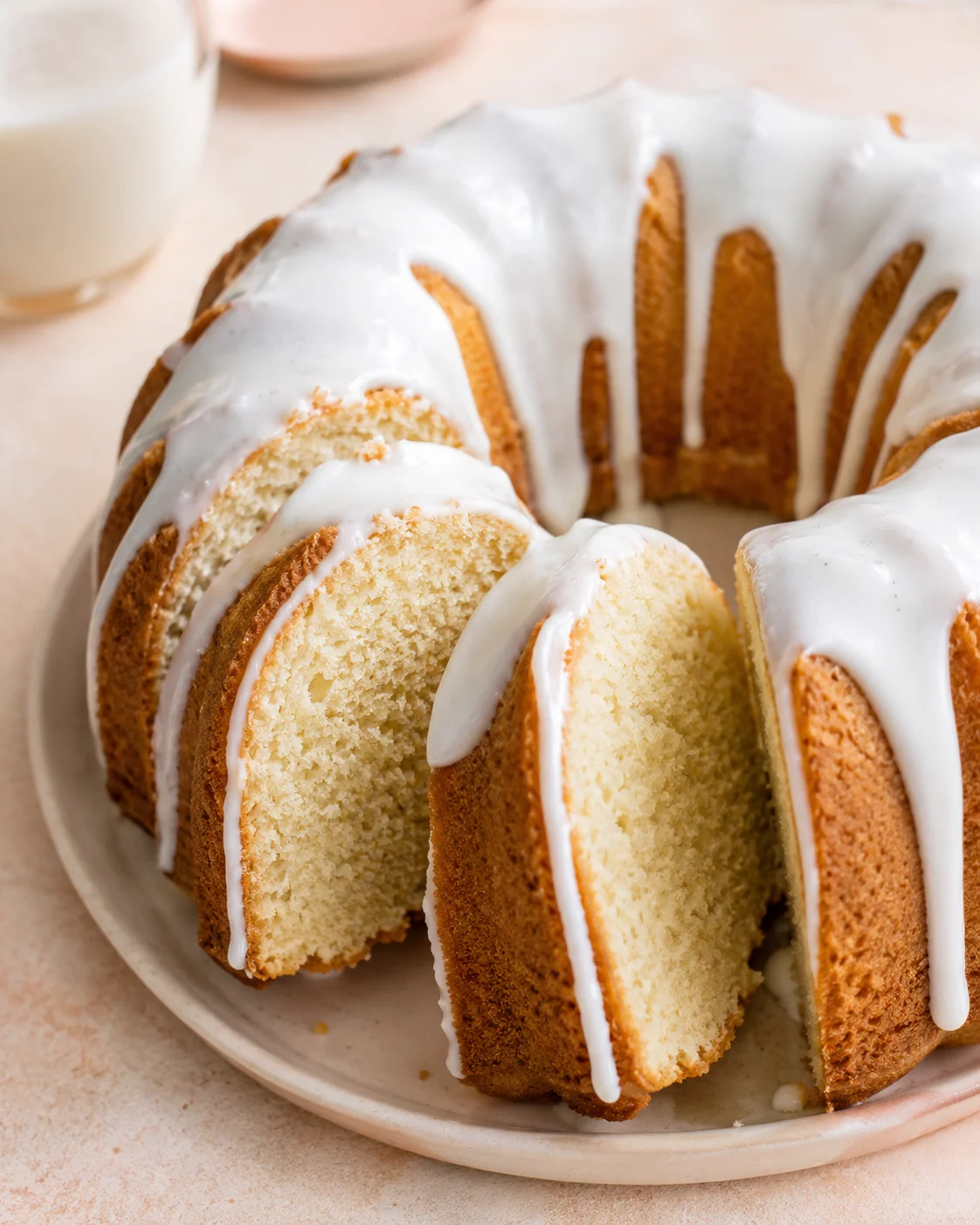
There’s nothing quite like a simple, perfect vanilla bundt cake. The magic happens with butter, buttermilk, and a little oil coming together to make a cake that’s seriously moist and bursting with rich vanilla flavor. Whether you’re bringing a dessert to a potluck or want an impressive-yet-easy cake for a special occasion, this glazed vanilla bundt cake fits the bill beautifully! It serves about 12 people.
This vanilla bundt cake is one of my go-to recipes that I always come back to.
It’s tender, super moist, full of warm vanilla goodness, and so easy to whip up—no fancy gadgets or decorating know-how needed. Honestly, you don’t even have to glaze it (but you know I can’t resist drizzling it with my favorite vanilla glaze 🙋🏻♀️). It’s the kind of cake that looks like you went all out but really only took a little time and effort, and that’s exactly how I like it.
And because I love it that much, I even turned it into a lemon bundt cake version for when I want a little citrus kick.
From my time as a pastry chef, I learned bundt cakes aren’t just pretty—they bake so evenly thanks to that hole in the center that helps the heat circulate. This means you’ll get a soft, perfectly baked crumb every time.
Beyond the technical benefits, the best part is they’re designed to be simple. No layers, no piping, no stressing over smoothing frosting. Just pour on a glaze—vanilla, chocolate, or my favorite zesty lemon glaze—and you’re done.
You can even skip the glaze, dust it with powdered sugar, or serve it plain, and it still looks like you put in plenty of effort. I love that easy vibe for busy weeknights or last-minute celebrations.
Buttermilk is key here—it makes the crumb incredibly tender and adds just a hint of tang that balances the sweetness perfectly. I use it in almost all my bundt cake recipes because it really takes the texture to the next level.
If you want a simple, fuss-free dessert that tastes like bakery quality, this glazed vanilla bundt cake is it. You’ll end up with a moist, tender cake that carries a wonderful vanilla aroma, thanks to butter, a splash of oil, and buttermilk working together for that perfect texture. It looks fancy enough to impress without needing any special tools or decorating skills—ideal for everything from potlucks to easy weekend treats.
This recipe makes about a dozen servings and requires just 10 minutes of hands-on prep plus about 50 minutes baking time. I’ll guide you through creaming butter and sugar, adding dry and wet ingredients in turns, and baking in a 10-cup bundt pan. Of course, there’s also an easy vanilla glaze to drizzle on top that really brings it all together—it’s optional but highly recommended.
Keep scrolling for clear step-by-step instructions, handy troubleshooting tips (like why it’s essential to grease your bundt pan like crazy), quick flavor twists, and advice on storing or freezing your cake. Whether you glaze it or just sprinkle powdered sugar on top, this cake looks like you worked hard but really kept things simple.
Why This Cake Shines
This glazed vanilla bundt cake hits every note—super moist, packed with flavor, and simple enough that anyone can make it. It feels special on the table but doesn’t take all day or require fancy baking skills. It’s perfect for an everyday dessert, a festive potluck, or even a chill celebration.
- Insanely moist: Butter, oil, and buttermilk join forces to give you a tender crumb that stays soft and fresh for days when stored right.
- Rich vanilla taste with zero fuss: Using easy pantry staples plus a good vanilla hit means you get classic flavor without a complicated process.
- Looks impressive: The bundt shape makes the cake look finished without frosting—just a quick glaze or sprinkle of powdered sugar does the trick.
- Bakes evenly every time: That center hole in the bundt pan helps heat circulate so the cake cooks just right with no dense spots.
- Quick to throw together: Just 10 minutes of prep and under an hour in the oven means you get homemade goodness without the all-day commitment.
- Perfect for prepping ahead or freezing: Make it a day early or freeze it wrapped tight for up to two months. It thaws beautifully and tastes just-baked fresh.
- Loads of ways to customize: This batter is a fantastic base for adding lemon or citrus zest, berries, chocolate chips, even streusel ribbons or different glazes.
- Beginner-friendly: No fancy tools or frosting skills needed—just a mixer or good old elbow grease and a 10-cup bundt pan.
Bottom line? It’s a fail-safe, delicious cake that looks like a showstopper but only takes a little effort. What’s not to love?
In my recipe testing, I found the magic lies in using all three: butter, oil, and buttermilk. This combo keeps the cake incredibly moist and fluffy for days, unlike some bundt cakes that end up dense or dry.
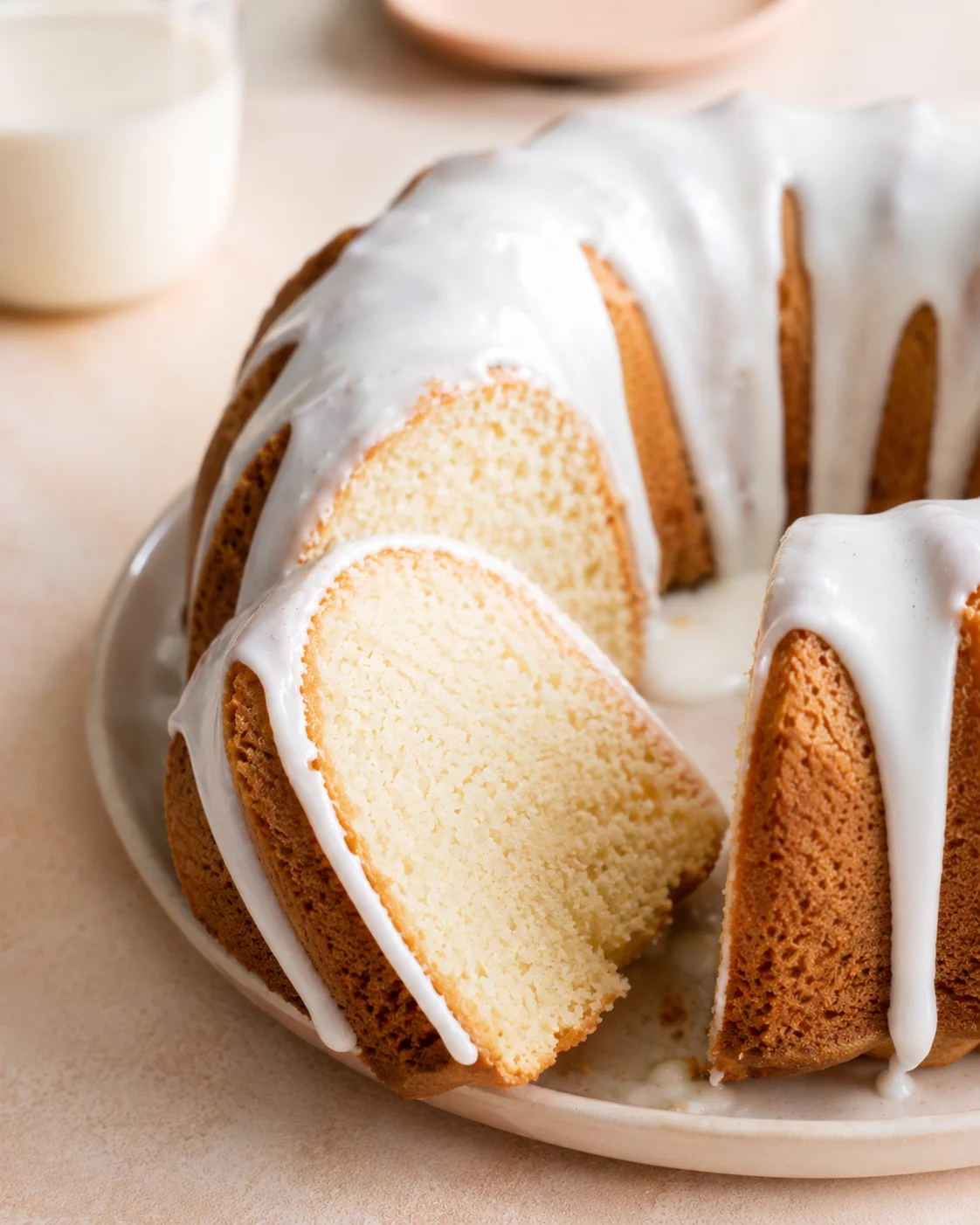
This vanilla bundt cake is perfectly soft and light, every slice satisfying that moist cake craving without any heaviness. That’s the texture you want!
What You’ll Need
- 1 cup butter, (227g) softened to room temperature
- 2 cups sugar, (400g)
- ¼ cup vegetable oil
- 3 large eggs, at room temperature
- 2 ¾ cups all-purpose flour, (330g)
- 1 tsp baking powder
- ½ tsp baking soda
- ½ tsp salt
- 1 tbsp vanilla extract
- ¾ cup buttermilk, room temperature
- 1 1/4 cups confectioners sugar
- 1/2 tsp vanilla extract
- 1-2 tbsp milk
How to Make the Cake
- Bring the butter, eggs, and buttermilk to room temperature.
- Preheat the oven to 350°F (175°C).
- Generously spray or heavily grease a 10-cup bundt pan (and flour if desired).
- Whisk together the flour, baking powder, baking soda, and salt in a bowl.
- Combine the buttermilk and vanilla extract in a measuring cup.
- Beat the softened butter and sugar on medium-low for about 2 minutes until light and fluffy.
- Add the vegetable oil and mix just until blended.
- Add the eggs one at a time, mixing well after each addition.
- Add the dry ingredients and buttermilk alternately to the butter mixture in three parts, starting and ending with the dry ingredients, and mix gently until just combined.
- Pour the batter into the prepared bundt pan and smooth the top gently.
- Bake 45–50 minutes, until a toothpick inserted in the center comes out clean and the edges start pulling away from the pan.
- Let the cake cool in the pan for 15–20 minutes.
-
Carefully invert the pan and release the cake onto a wire rack to cool completely.
- Whisk the confectioners’ sugar, vanilla extract, and 1–2 tablespoons milk until smooth and drizzle-able to make the glaze.
- Drizzle the glaze over the completely cooled cake.
Baker’s Tips for Best Results
- Always use room temperature ingredients. This is key to getting a smooth, even batter that bakes into a lovely crumb. Cold butter or eggs can make your cake dense or uneven.
- Mix your dry ingredients together in one bowl before starting. It makes the alternating additions quicker and removes the chance of forgetting something.
- Combine your buttermilk and vanilla in a measuring cup before adding so it’s easy to alternate with the dry ingredients without overmixing.
- For an extra fragrant vanilla bundt cake, try swapping vanilla extract for vanilla bean paste or scrape the seeds from a vanilla bean right into the batter.
- Let your cake cool completely before adding the glaze. Pour it on too soon while warm and it’ll just slide right off.
Flavor Twists and Add-Ins
This vanilla bundt cake recipe is a wonderful starting point that you can tweak in lots of ways without changing your process. Here are some of my favorite flavor twists and add-ins you can try:
- Citrus vibes: Add 1 to 2 tablespoons freshly grated lemon or orange zest right into the batter. For extra zing, swap part of the vanilla glaze with a lemon glaze by using lemon juice instead of milk. It brightens up the cake beautifully. I especially love the lemon bundt version made this way.
- Vanilla boost: Swap the vanilla extract for vanilla bean paste or scrape the seeds from a whole vanilla bean for a deep, rich vanilla flavor that sings.
- Berries or chocolate chips: Gently fold in ¾ to 1 cup of fresh berries (tossed lightly with a tablespoon of flour to keep them from sinking) or chocolate chips for a fun surprise in every bite. Just be careful with berries so they don’t break apart.
- Streusel or swirl: Make a simple cinnamon streusel with butter, brown sugar, cinnamon, and flour, and layer some halfway through the batter for a cozy, sweet ribbon of flavor.
- Oil swaps: Feel free to swap the vegetable oil for light olive oil, canola, or avocado oil. These keep the crumb moist but can add a subtle flavor twist. All butter instead of oil adds richness but can make it slightly denser.
- Buttermilk substitutes: No buttermilk on hand? Use plain yogurt or sour cream thinned with a bit of milk, or make a quick DIY buttermilk by mixing ¾ cup milk with about ¾ tablespoon lemon juice or white vinegar and letting it sit for 5 minutes.
- Glaze swaps: Try switching out the vanilla glaze for a quick chocolate glaze (powdered sugar, cocoa powder, and milk) or a bright citrus glaze made with powdered sugar and lemon or orange juice. You can also just dust with powdered sugar for an elegant simple finish.
- Gluten-free option: Use a 1:1 gluten-free all-purpose flour blend that contains xanthan gum. Expect a slightly different texture, and start checking doneness a bit earlier.
Storage, Make-Ahead, and Freezing
Storing: You can make this vanilla bundt cake ahead and keep it covered tightly at room temperature for up to two days. If you want it to last longer, refrigerate it wrapped for up to a week.
Freezing: Wrap the cooled cake tightly in plastic wrap and then aluminum foil, place it in a freezer-safe bag, and freeze for up to two months. When you’re ready, thaw it overnight in the fridge, and it’ll taste fresh and delicious.
Serving: 1 slice, Calories: 457kcal, Carbohydrates: 61g, Protein: 5g, Fat: 22g, Saturated Fat: 11g, Polyunsaturated Fat: 4g, Monounsaturated Fat: 6g, Trans Fat: 1g, Cholesterol: 83mg, Sodium: 332mg, Potassium: 75mg, Fiber: 1g, Sugar: 39g, Vitamin A: 559IU, Calcium: 54mg, Iron: 2mg
Course: Bundt Cake, Cake, Dessert
Cuisine: American
I love when you share my recipes!!
Common Questions and Troubleshooting
- What size bundt pan should I use? This recipe is written for a 10-cup bundt pan. You can use a 9- to 10-cup pan with similar results. A pan much larger will make the cake shorter, and a smaller pan risks overflow—so adjust the batter volume or baking times accordingly.
- How do I know when the cake is done? Insert a toothpick into the thickest part. It should come out clean or with just a few moist crumbs. The cake should spring back lightly when pressed and start pulling away from the pan edges.
- Can I substitute buttermilk? Yes! You can swap with plain yogurt or sour cream thinned with a bit of milk. Or mix a quick buttermilk substitute by combining milk with 1 tablespoon vinegar or lemon juice per cup, letting it sit 5 minutes.
- Can I make this vegan or egg-free? This isn’t a direct swap recipe for vegan baking. You could experiment with flax or chia egg replacers and vegan butter, but texture and rise will change. If you want vegan results you’d want a tested version.
- How should I store or freeze this cake? Once it’s fully cooled, store the cake covered at room temperature for up to two days or in the fridge for up to one week. Freeze wrapped tightly for up to two months and thaw overnight when ready to eat.
- Can I make mini bundts or cupcakes? Absolutely! Mini bundts take about 20–30 minutes—check early to avoid overbaking. Cupcakes bake around 16–22 minutes depending on size. Fill pans only two-thirds full and test with a toothpick.
- Why did my cake stick to the pan? Bundt cakes definitely need a generous greasing. I recommend spraying the pan heavily, brushing melted butter into nooks, and then dusting with flour or using a pan-release spray. Also, don’t flip the cake until it’s had 15–20 minutes to cool—this helps it release cleanly.
- How do I adjust baking time if my oven runs hot or cold? Oven temps can vary! Check your cake 5–10 minutes before the recipe’s minimum baking time. If your oven runs hot, lower the temp by 10–15°F and watch closely. If it tends to be cool, you might need a few extra minutes in the oven.