Best Rice for Rice Pudding: Creamiest Results

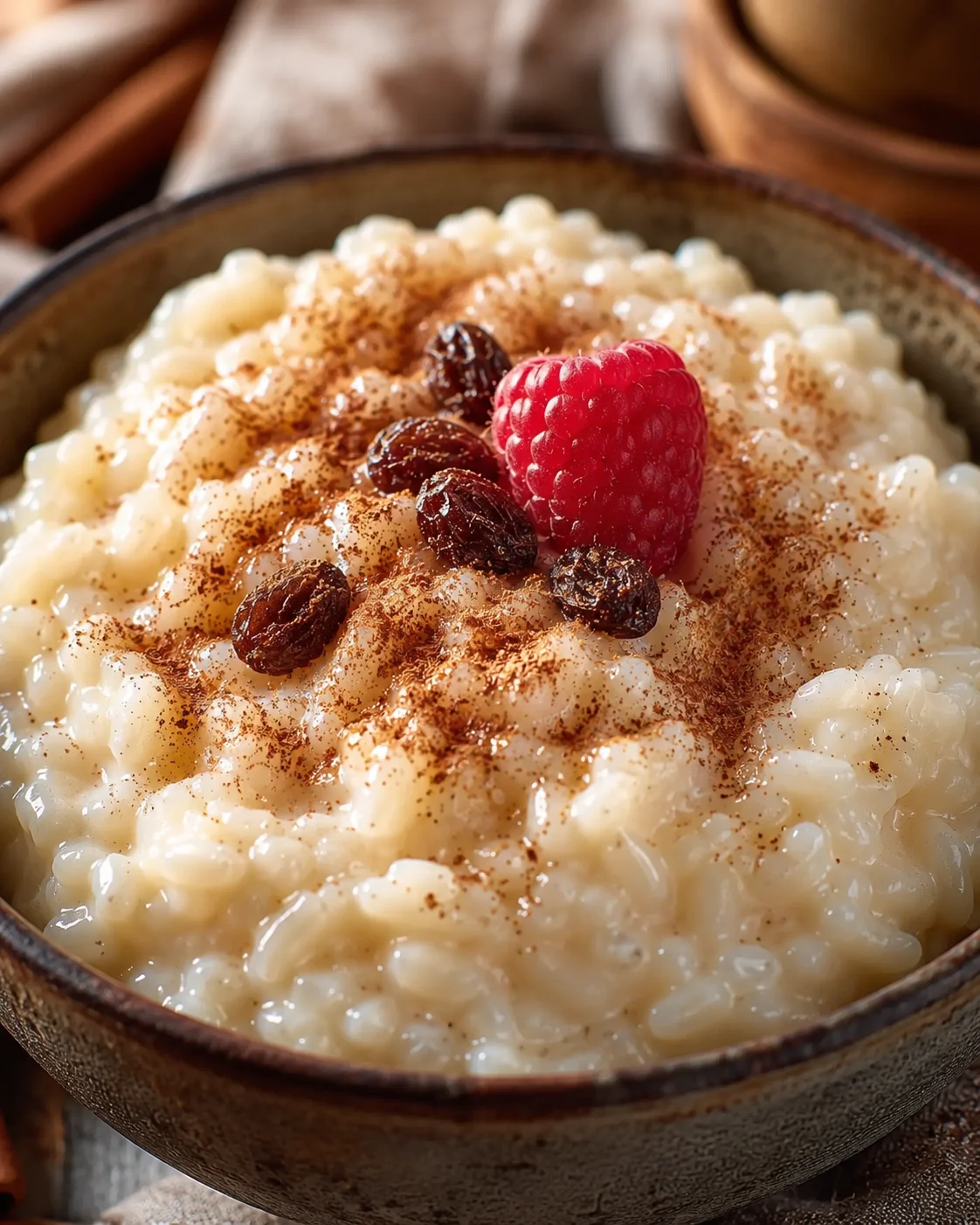
Best Rice for Rice Pudding: Creamiest Results
Rice pudding—that warm, sweet hug you can eat with a spoon. When it’s made right, it’s pure comfort. But if it’s off, it can be a bit of a letdown.
I remember a time when a friend made rice pudding for us, and honestly, it was hard to eat. The grains were tough, not creamy at all. It was such a bummer!
After chatting, I learned she’d used the wrong rice for rice pudding.
That’s a mistake I want you to skip. The best rice for rice pudding will make all the difference between delightfully creamy and just… meh.
So, I’m sharing my tried-and-true rice picks that will take your pudding from okay to unforgettable.
I truly believe if you pick the wrong rice, your rice pudding won’t hit the magic creamy note everyone craves.
In most dishes, rice plays a supporting role, but in rice pudding, it’s the star. It’s the main ingredient—you’re looking at about 70% of the dish being rice (give or take, scientifically unproven but close, ha!).
So, picking the perfect rice matters big time for that luscious, dreamy texture and flavor.
Keep reading to see which rice varieties I swear by and why they’re the best rice for rice pudding.
Rice pudding should taste sweet, feel silky, and be downright cozy. If you’ve ever been served a clumpy, grainy bowl (I raise my hand, guilty friend included), you know it’s a letdown.
The good news? Most of those sad texture vibes usually come down to one thing: the rice you choose.
In this guide, I’ll walk you through picking the best rice for rice pudding, explain why these rices work so well, share an easy recipe you can whip up in about 45 minutes, and offer smart tips on cooking, storing, and reheating. Nothing complicated—just real advice for creamy results every time.
- The top rice varieties to use and why they’re a match made in heaven (Arborio, Carnaroli, sushi/short-grain rice).
- A simple, reliable recipe with clear steps and timings.
- Essential cooking pointers—when to rinse rice, how to manage heat, and how to avoid gummy or grainy disappointments.
- Flavor twists, storage hacks, reheating tips, and answers to the most common questions I hear.
Keep going, and you’ll never have to settle for dry or gritty rice pudding again—just smooth, dreamy spoonfuls to savor.
Why Arborio Creates Silky Texture
Let me spill the secret to that silky, creamy rice pudding texture everyone dreams about.
Arborio Rice
Arborio rice is my go-to when I make rice pudding.
I first fell in love with Arborio rice while making lobster risotto correctly for the first time. That creamy texture blew me away.
Once I realized how creamy it could get, I started using it for rice pudding, too—and never looked back.
More Reasons to Use Arborio Rice for Rice Pudding
Texture: Arborio has just the right starch content to create creaminess but it keeps its shape so your pudding has that perfect, tender-chewy bite.
Flavor absorption: When I tried regular long-grain rice, the flavor hid mostly in the liquid and the rice was bland—long-grain shines in fluffy dishes like rice pilaf instead. Switching to Arborio fixed that—each grain soaks up the yumminess.
Consistency: Arborio cooks evenly, so you don’t get random crunchy or mushy bits—just uniform creamy goodness all around.
Ingredients for Creamy Pudding
- 1/2 cup of uncooked Arborio rice
- 1 cup of water
- 1 tablespoon of butter
- 2 cups of whole milk
- 1/4 cup of sugar
- 1 teaspoon of vanilla extract
- Ground cinnamon (optional)
- A pinch of salt
How to Make the Pudding
- If using sushi or other short-grain rice, rinse it 4–5 times to remove surface starch; do not rinse Arborio.
- Bring the water, butter, and a pinch of salt to a boil in a heavy-bottomed saucepan.
- Add the uncooked Arborio rice and return the pot to a boil, stirring occasionally.
- Reduce heat to the lowest setting and simmer.
- Stir or gently shake the pan now and then as the rice soaks up most of the water, about 15 minutes.
- Meanwhile, in a separate heavy-bottomed pot combine the milk, sugar, and optional cinnamon and bring to a gentle simmer.
- Mix the cooked rice into the simmering milk mixture and stir gently.
-
Simmer until the rice absorbs most of the milk and the pudding thickens, about 10–15 minutes, stirring occasionally.
- Optional: toward the end of cooking, replace up to 1/2 cup of the milk with heavy cream for extra richness.
- Optional: add vanilla extract off the heat (or stir it into the milk before simmering) and adjust sugar and spices to taste.
Tips for Perfect Texture
- Use a heavy-bottomed pan to keep the heat even and avoid burning the pudding.
- Keep the heat low once the liquid starts soaking in—that slow simmer is your secret weapon for creamy rice pudding. If you prefer a hands-off oven method, try this baked rice pudding for an evenly set, custardy texture.
- Stir occasionally but not constantly. Letting the rice sit a little between stirs helps the starch thicken the pudding naturally.
- If you use sushi or short-grain rice, rinse it 4–5 times before cooking. This takes off extra surface starch so the pudding doesn’t get too gummy.
- For a richer touch, swap up to half a cup of milk with heavy cream toward the end of cooking.
- Boost vanilla flavor by adding vanilla extract right at the end, off the heat—it makes the pudding smell amazing.
- Adjust sugar to your liking, and add cinnamon or other spices little by little so they complement but never overpower the rice’s natural taste.
Alternatives, Swaps, and Mix-Ins
I’m convinced Arborio is the best rice for rice pudding, but I get that sometimes it’s not easy to find.
When that happens, here’s what I reach for instead.
Carnaroli Rice
Carnaroli is another creamy rice relative to Arborio, usually packing even more starch. It absorbs flavor beautifully, making it fantastic for rice pudding.
The only catch? It can be pricier and harder to find than Arborio, but if you can get it, give it a try—it’s wonderful.
Sushi Rice (Japanese Short-Grain Rice)
Though often reserved for sushi, this rice can also make a lovely creamy pudding.
I suggest sushi rice as a great budget-friendly option or if Arborio isn’t in your pantry.
Just remember: rinse it thoroughly several times to wash off surface starch and stop your pudding from turning into glue.
For most puddings, I stick with Arborio.
But when I’m making arroz con leche (a classic Mexican rice pudding), I go with long-grain white rice.
That’s the traditional choice in Mexico, and I respect that authenticity wholeheartedly—sometimes tradition wins!
Storage and Reheating Tips
Let your pudding cool to room temperature before putting it in an airtight container for the fridge.
- In the fridge: It lasts 3 to 4 days. Before serving, stir it well as it’ll thicken when chilled—similar to other make-ahead puddings like vanilla chia pudding.
- To reheat: Warm it gently on the stove over low heat. Add a splash of milk and stir until creamy again. You can also microwave it in short bursts, stirring between, adding milk as needed.
- Freezing is possible but expect a slight texture change—rice pudding can get a bit grainy. Freeze in single-serving airtight containers for up to a month. Thaw overnight in the fridge and reheat gently with a splash of milk.
Common Rice Pudding Questions
- What is the best rice for rice pudding? Arborio is my top pick for the creamiest, nicely textured pudding. Carnaroli is a solid alternative if you can find it.
- Can I use leftover cooked rice? You can, but leftover long-grain rice won’t give you the same creamy, tender texture as cooking Arborio or short-grain rice specifically for the pudding.
- Do I need to rinse the rice? If you’re using short-grain or sushi rice, yes—rinse it 4 to 5 times to remove extra starch. But don’t rinse Arborio; you want that starch to get creamy.
- Can I use non-dairy milk? Absolutely! Full-fat oat or soy milk works best for creaminess. Coconut milk also works if you enjoy a subtle coconut note—see how it creates body in this creamy lentil curry with coconut milk. Keep in mind the flavor and richness will be a bit different from whole milk.
- Why did my pudding become too thick? It might have cooked down too much, or maybe you skipped rinsing starch-heavy rice. Thin it out with warm milk while reheating and stir well.
- Can I make it ahead? Definitely. Make it in advance and store it in the fridge. When ready to eat, warm it up gently, adding a little milk if you want it warm.
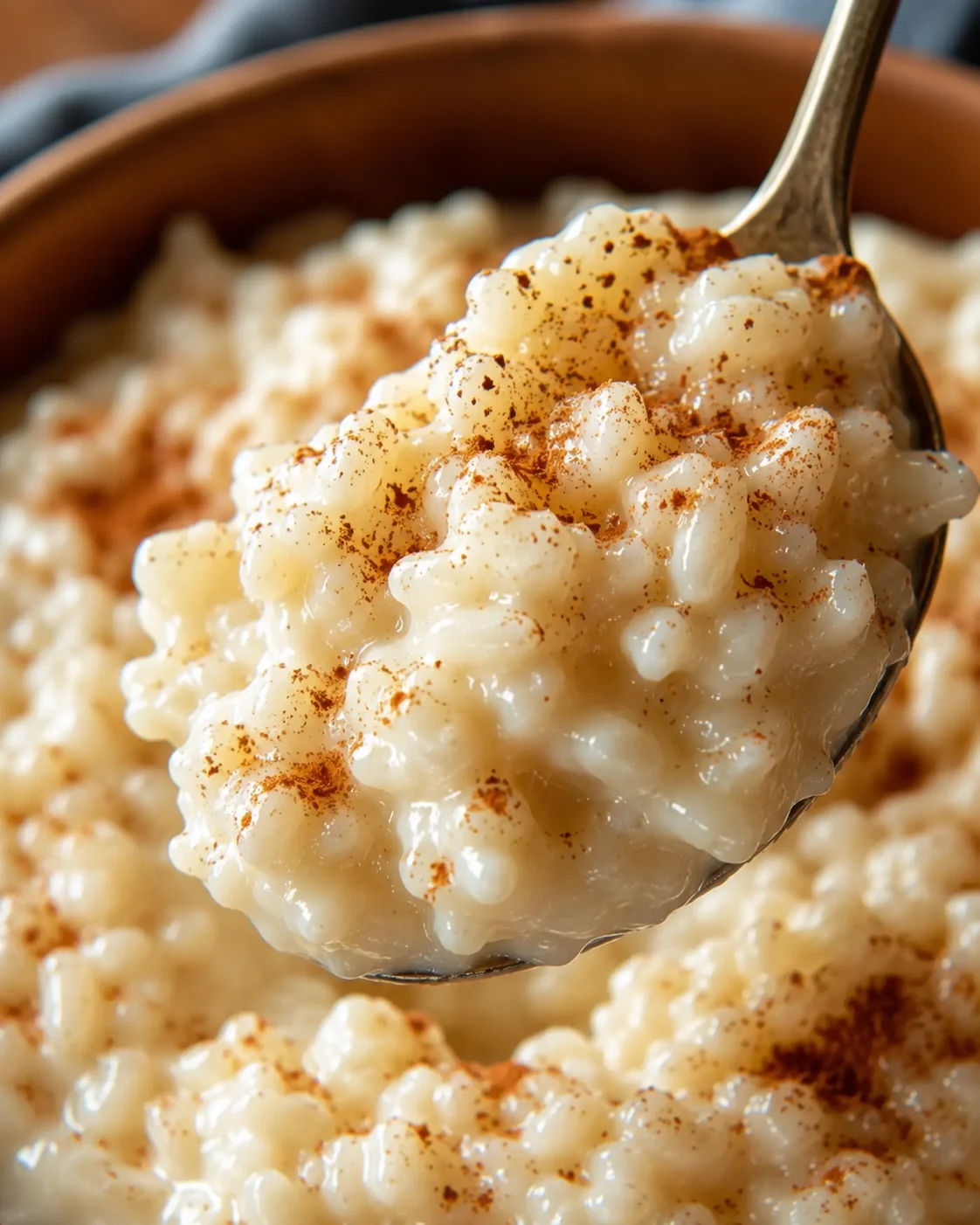
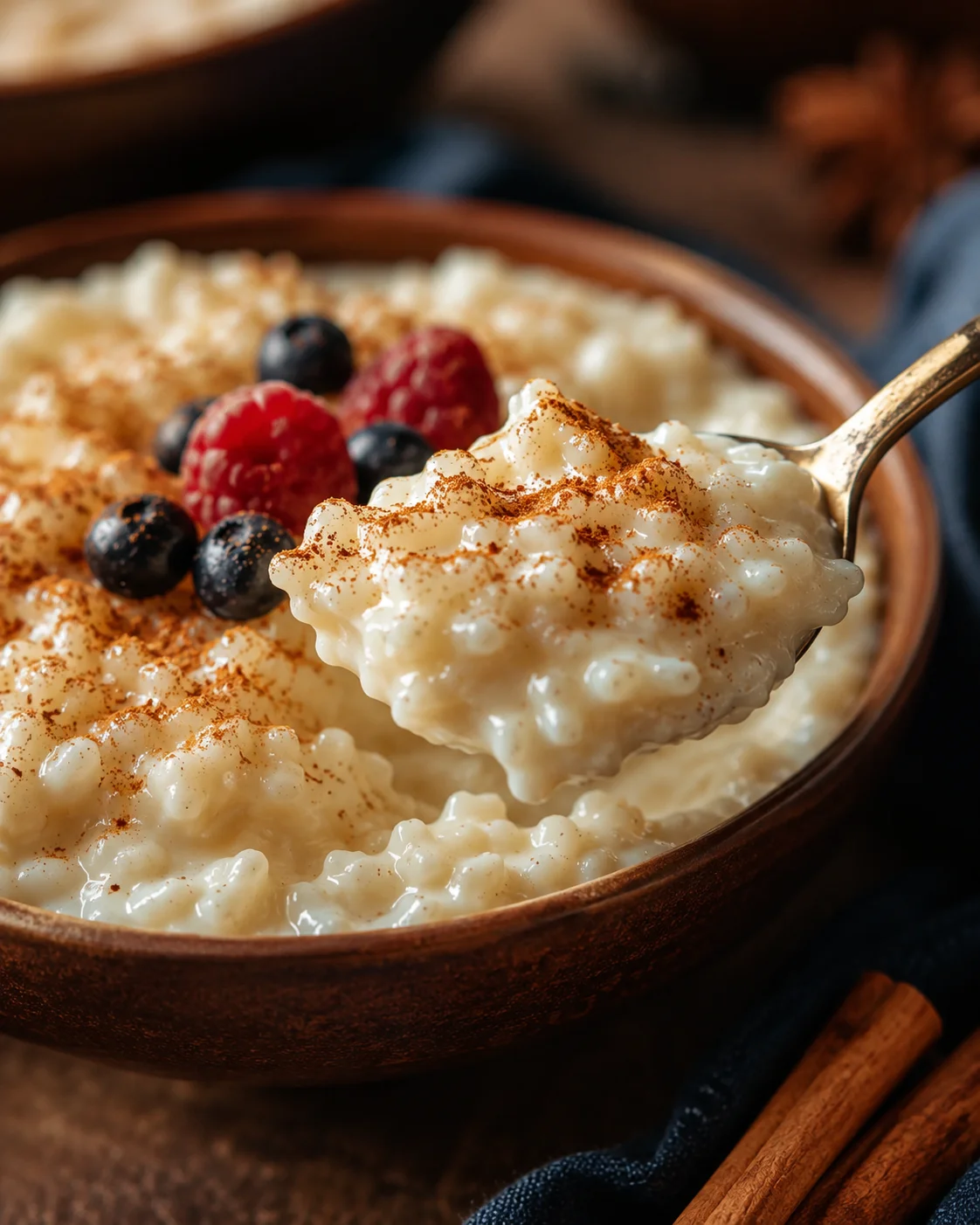
A creamy and comforting rice pudding made with Arborio rice for the perfect tender-chewy texture and luscious flavor absorption, resulting in silky, smooth rice pudding.
- Prep Time: 10 minutes
- Cook Time: 35 minutes
- Total Time: 45 minutes
- Yield: Approximately 2 servings 1x
- Category: Dessert
Ingredients
- 1/2 cup of uncooked Arborio rice
- 1 cup of water
- 1 tablespoon of butter
- 2 cups of whole milk
- 1/4 cup of sugar
- 1 teaspoon of vanilla extract
- Ground cinnamon (optional)
- A pinch of salt
Instructions
- If using sushi or other short-grain rice, rinse it 4–5 times to remove surface starch; do not rinse Arborio.
- Bring the water, butter, and a pinch of salt to a boil in a heavy-bottomed saucepan.
- Add the uncooked Arborio rice and return the pot to a boil, stirring occasionally.
- Reduce heat to the lowest setting and simmer.
- Stir or gently shake the pan now and then as the rice soaks up most of the water, about 15 minutes.
- Meanwhile, in a separate heavy-bottomed pot combine the milk, sugar, and optional cinnamon and bring to a gentle simmer.
- Mix the cooked rice into the simmering milk mixture and stir gently.
- Simmer until the rice absorbs most of the milk and the pudding thickens, about 10–15 minutes, stirring occasionally.
- Optional: toward the end of cooking, replace up to 1/2 cup of the milk with heavy cream for extra richness.
- Optional: add vanilla extract off the heat (or stir it into the milk before simmering) and adjust sugar and spices to taste.
Notes
Use a heavy-bottomed pan to keep the heat even and avoid burning the pudding., Keep the heat low once the liquid starts soaking in; slow simmer for creamy rice pudding., Stir occasionally but not constantly to help starch thicken pudding naturally., If using sushi or short-grain rice, rinse 4–5 times before cooking to remove surface starch and prevent gumminess., Substitute up to half a cup of milk with heavy cream toward the end for richer pudding., Add vanilla extract off heat at the end to boost flavor., Adjust sugar and spices gradually to complement rice flavor., Arborio rice is the best choice for creaminess and texture; Carnaroli and sushi rice are good alternatives, with rinsing required for sushi rice., Store pudding in airtight container in fridge for 3–4 days; reheat gently with splash of milk., Freezing possible but may change texture; freeze in single servings, thaw overnight in fridge, reheat gently.
Nutrition
- Serving Size: About 1 cup per serving
- Calories: Approximately 250 calories per serving
- Fat: 6g per serving
- Carbohydrates: 40g per serving
- Protein: 6g per serving