Tuna Recipes Steak: Delicious Ways to Enjoy Healthy Tuna

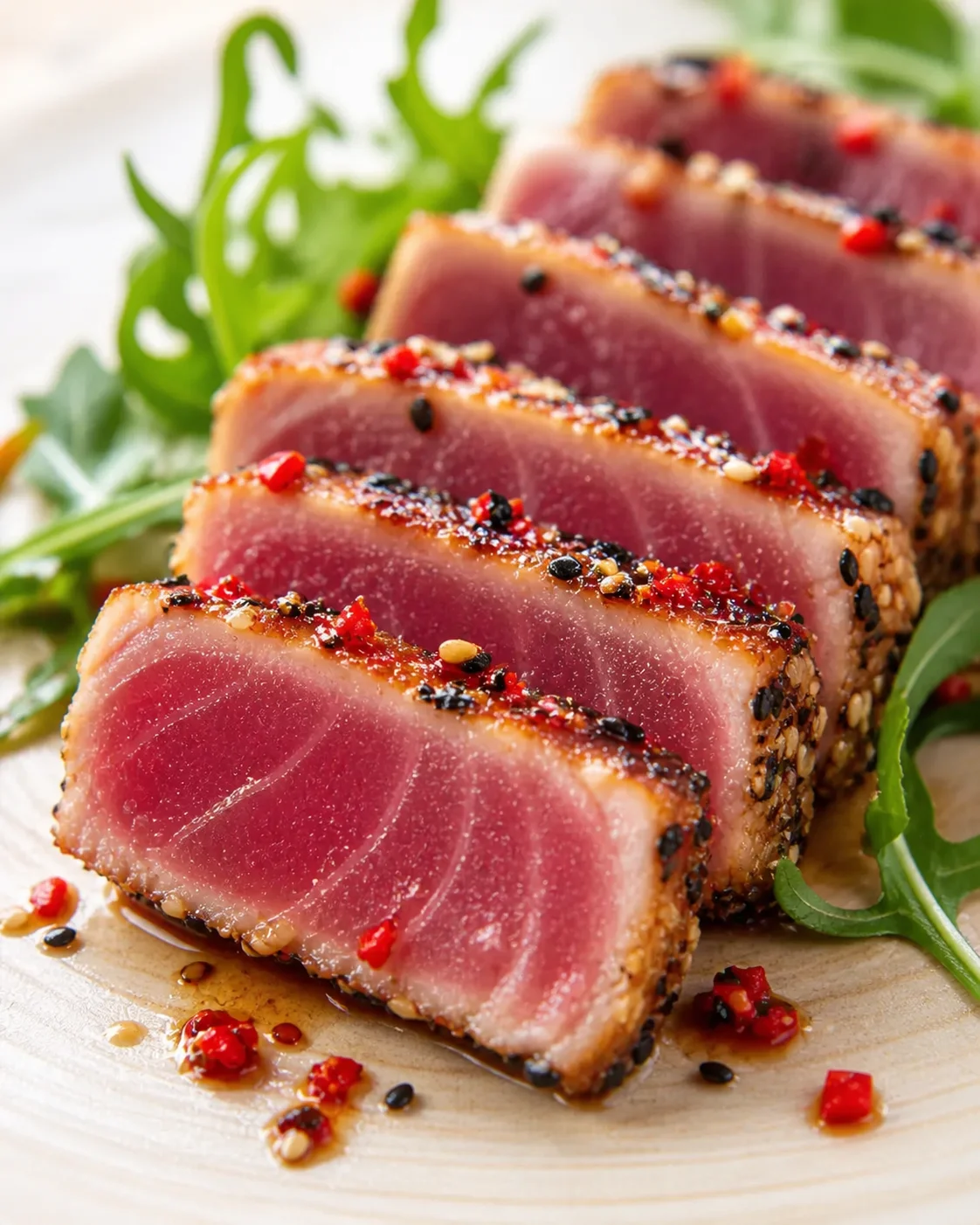
Tuna is such a fantastic ingredient that so many cooks, from home kitchens to professional chefs, truly love for its flavor and flexibility. It has this meaty texture and a taste that’s gentle yet really packs a flavorful punch. While lots of people know tuna best as sushi or sashimi, it also makes a wonderful steak that looks fancy but isn’t tricky to cook. Whether you want to enjoy it raw, grill it up, or sear it quickly, tuna steak brings a wonderful, unique touch to any meal.
Beyond tasting amazing, tuna steak is also super healthy for you. It’s packed with protein and offers many nutrients your body craves to stay strong and energized. Plus, it’s rich in omega-3 fatty acids, which are fantastic for heart health. Eating tuna steak is more than just enjoying a delicious meal—it’s a smart way to boost your nutrition. When you add it to your menu, you’re getting tasty dishes along with some solid health perks in one.
This article takes you on a fun journey through all things tuna steak. We’ll start by explaining what tuna steak is and why it’s good for you. Then, we’ll explore how to prep it, the best ways to cook it, and share some simple but delicious recipes you can whip up at home. From easy grilled tuna steaks to creative, inspired dishes, you’ll learn how to elevate your tuna game while enjoying its tasty and nutritious benefits.
Tuna steak isn’t just any fish cut—it gives you a delicious combination of flavors and textures. Essentially, it’s a slice cut from bigger tuna species like Yellowfin or Albacore. Each type has its own taste, color, and fat content, so it’s helpful to know what you’re choosing for your dish. For example, Yellowfin tuna has a vibrant color and a mild, fresh taste while Albacore, often called “white tuna,” is firmer with a richer flavor. Understanding these differences helps you pick the perfect tuna steak for your recipe.
1.1 What is Tuna Steak?
Tuna steak comes from the muscular part of the fish, which makes it ideal for many different cooking methods. You can grill it, sear it quickly, or even enjoy it raw if you’re going for sushi or sashimi. The key to a great tuna steak isn’t just the flavor—it’s really about freshness. Always pick top-quality tuna, whether it’s fresh or frozen. Look for steaks that have a bright, lively color without any brown or dull spots and smell fresh, like the ocean. Fresh tuna steaks add a big pop of flavor to any meal and shine in many recipes.
1.2 Health Benefits of Tuna
One of the best things about tuna steak is how good it is for your health. It’s loaded with lean protein that helps repair muscles and keeps your body running smoothly. Plus, it’s a top source of omega-3 fatty acids, which do wonders for your heart. These healthy fats help reduce inflammation, keep your blood pressure in check, and support overall cardiovascular health. So, when you serve up tuna steak, you’re not only enjoying a tasty meal but also giving your body a nutritious boost.
Tuna is one of those ingredients that feels a bit special but actually is very simple to cook with. This guide focuses on tuna steaks—the thick, meaty cuts from types like yellowfin and albacore—and shows you how to turn them into no-fuss weeknight dinners or impressive dishes for guests.
Keep reading and you’ll get a clear understanding of what tuna steak is and why it’s good for you, step-by-step tips for prepping and cooking it (from grilling and searing to enjoying sushi-grade tuna raw), plus easy recipes you can pull off in about 20 minutes. We include recipes for a simple marinated grilled tuna steak, a sesame-crusted seared tune, fresh taco and salad ideas, and practical advice on how to cook to the perfect doneness (pro tip: medium-rare is often ideal — shoot for about 125°F/52°C). You’ll also find notes on storing leftovers, reheating, and smart ingredient swaps.
Along the way, I’ll share quick pro tips for picking high-quality fish, suggested sides and wine pairings, and little flavor tweaks to tailor recipes to what you have on hand. Whether you want a quick, healthy meal or a plate that wows, this guide will help you feel confident loving tuna steak at home.
Taste, Nutrition, and Simplicity
Adding tuna steak to your meals spices things up in both flavor and nutrition. With its rich taste and easy prep, you can grill it, sear it, make Blackened Balsamic Tuna Steaks, or eat it raw if you like. So go ahead, experiment with recipes, mix and match sides like Japanese miso mushrooms, and enjoy all this fantastic fish offers. And do keep sustainability in mind—choosing responsible seafood helps our oceans and keeps our plates happy and healthy.
Ingredients and Equipment
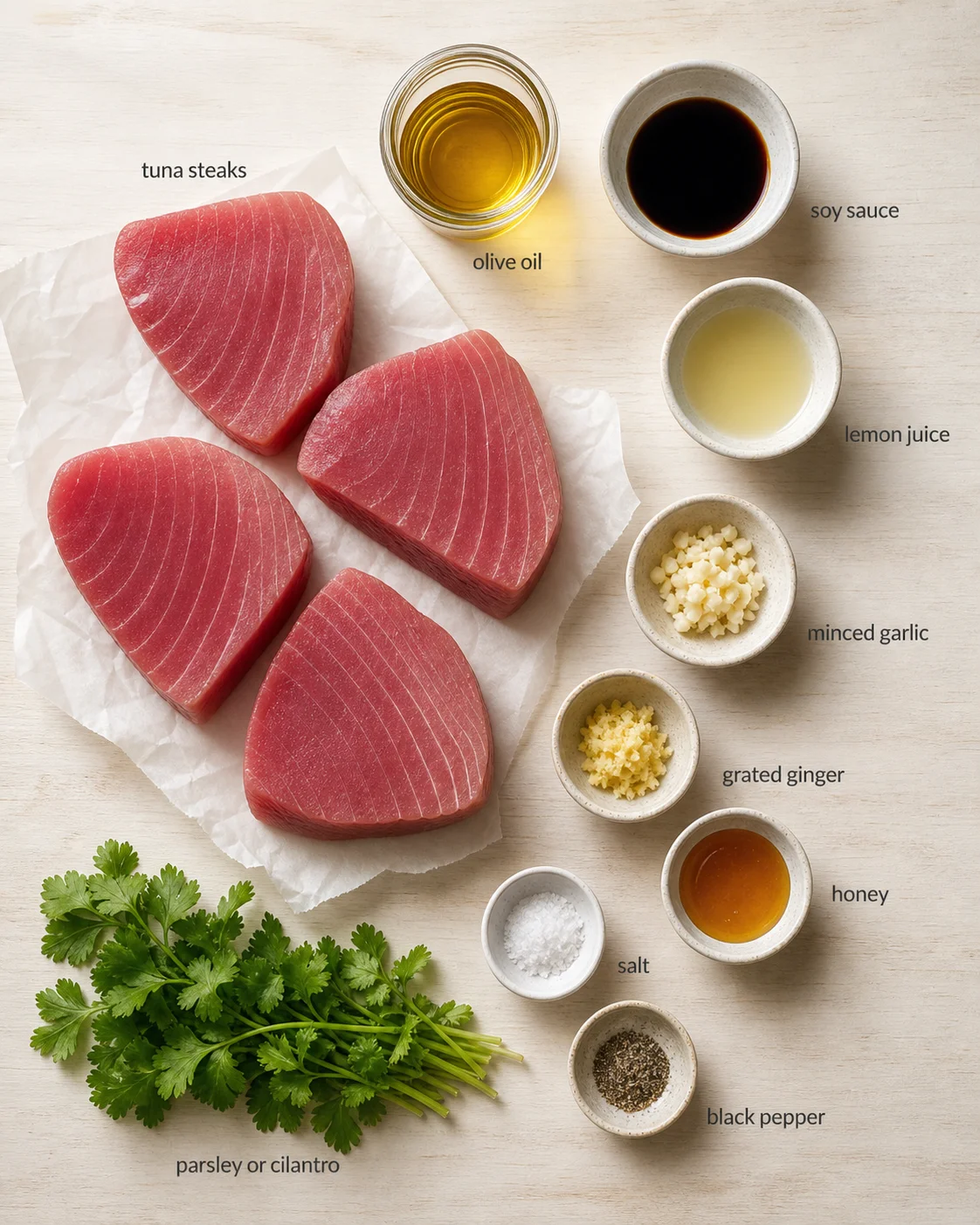
- 4 pieces tuna steaks, 6 ounces each
- ¼ cup olive oil
- 2 tablespoons soy sauce
- 2 tablespoons lemon juice
- 2 cloves garlic, minced
- 1 teaspoon fresh ginger, grated
- 1 teaspoon honey
- Salt, to taste
- Black pepper, to taste
- Fresh parsley or cilantro, optional (for garnish)
Grill, Sear, and Serve
- Whisk together olive oil, soy sauce, lemon juice, minced garlic, grated ginger, honey, salt, and black pepper to make the marinade.
- Place tuna steaks in a shallow dish or resealable bag, pour in the marinade to coat, cover or seal, and refrigerate at least 15 minutes (up to 1 hour).
- Heat grill or grill pan to medium-high.
- Remove tuna steaks from the marinade, shake off excess, and discard leftover marinade.
- Place tuna steaks on the hot grill and cook about 2–3 minutes per side for medium-rare (aim for ~125°F/52°C), adjusting time to preferred doneness.
- Let grilled tuna rest for a few minutes.
- Marinate tuna steaks in olive oil and lemon juice for about 30 minutes.
- Preheat grill to medium-high.
- Melt butter gently in a small pan over low heat, add minced garlic, and cook until fragrant to make the lemon butter sauce.
- Grill tuna 1–2 minutes per side for medium-rare.
- Drizzle warm lemon butter sauce over the tuna and sprinkle with fresh parsley.
- Whisk soy sauce, grated ginger, olive oil, and rice vinegar to make a sesame-marinate.
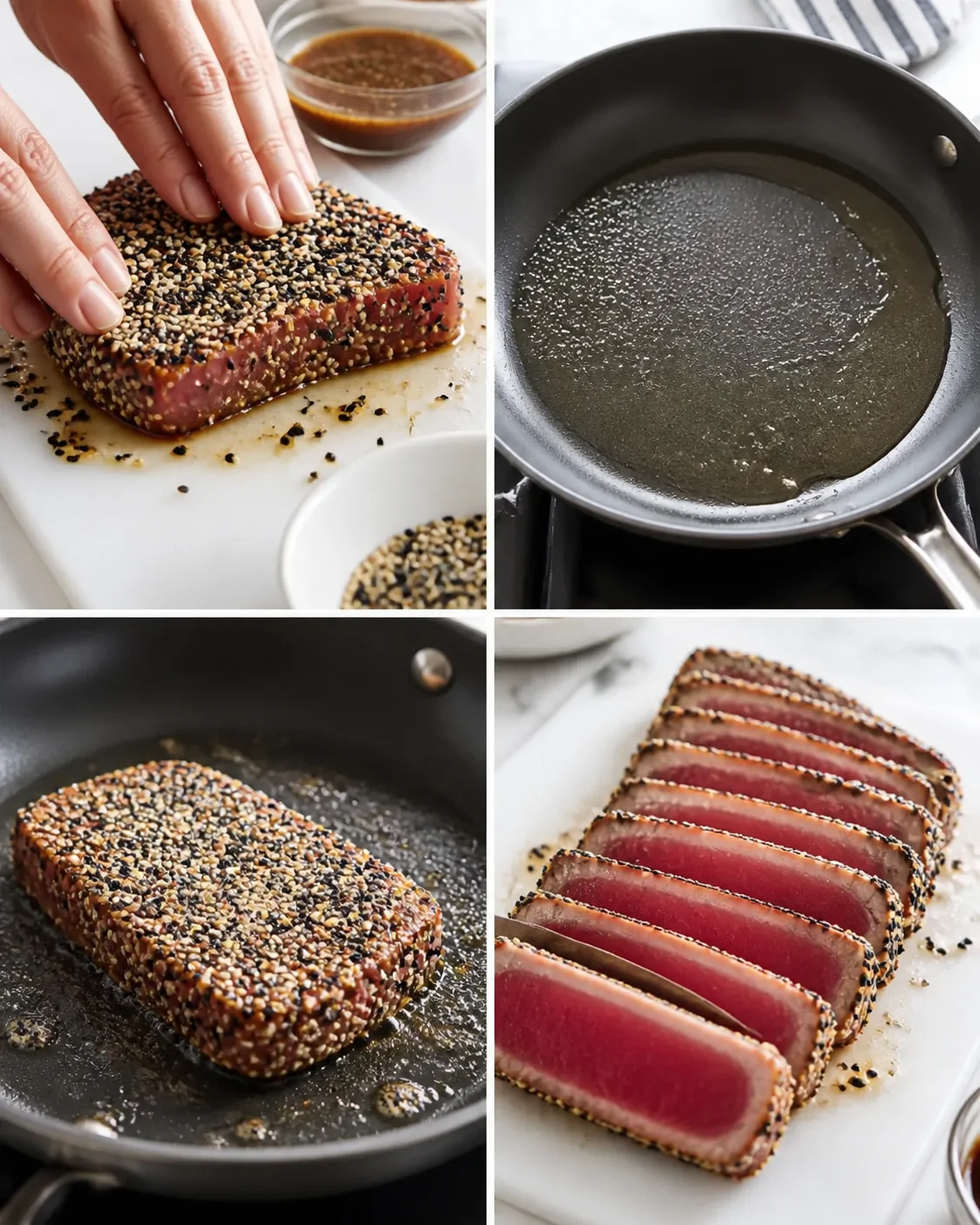
- Marinate tuna about 15 minutes, then press white and black sesame seeds onto both sides of each steak.
- Heat a skillet over medium-high heat with a bit of oil.
- Sear sesame-crusted tuna about 1 minute per side to keep the center rare.
-
Slice seared tuna against the grain.
- Grill tuna steaks 1–2 minutes per side, then slice thinly for tacos.
- Warm corn tortillas on the grill or in a pan.
- Fill each tortilla with tuna slices, avocado, cilantro, and cabbage slaw.
- Squeeze fresh lime juice over the assembled tacos.
- Grill tuna steaks and let rest for a few minutes before slicing for salads.
- Toss mixed greens, halved cherry tomatoes, and thinly sliced cucumbers in a large bowl.
- Lay tuna slices over the salad and drizzle with balsamic vinaigrette.
- Thaw frozen tuna overnight in the refrigerator or sealed in cold water for about 1 hour.
- For quick medium-rare cooking, aim for about 1–2 minutes per side (or ~2–3 minutes per side on a grill) and target an internal temperature of ~125°F/52°C.
Expert Tips for Perfect Tuna
Getting your tuna steak just right starts with a few smart moves. From choosing the best fish to mastering simple cooking tricks, these tips will help you cook tuna that’s juicy, flavorful, and easy.
2.1 Choose the Right Tuna
When picking your tuna steak, it’s key to know the difference between fresh and frozen. Fresh is ideal if you have access to a trusted seafood market—it usually tastes better and cooks up with a nicer texture. Look for tuna that has deep, bright color without any bruises or brown spots. When fresh tuna isn’t an option, high-quality frozen tuna can work just as well, especially if it’s flash-frozen right after catching to lock in freshness. Picking the best tuna sets the stage for a delicious meal. If you’re working with canned tuna instead, consider turning it into lemon-garlic tuna cakes for a quick, budget-friendly alternative.
2.2 Proper Cooking Techniques
Cooking tuna steak is straightforward, but there are a few pointers to keep in mind. For frozen tuna, thaw it properly by leaving it in the refrigerator overnight or submerging it sealed in cold water for about an hour. Popular cooking methods include grilling, searing, or broiling. With these, cook the tuna for a short time so it stays juicy and tender. Aim for about 1-2 minutes on each side for medium-rare. Overcooking dries it out since most people prefer tuna steak still a little rare in the center, moist and flavorful.
5.1 Side Dishes
The right sides boost your tuna steak dinner from good to great. Try these to round out your meal:
- Roasted vegetables like asparagus, zucchini, or bell peppers
- Fluffy rice or quinoa for a hearty base
- A light pasta salad tossed with lemon dressing and fresh herbs
5.2 Wine Pairings
A nice wine can elevate your tuna steak night. These are some tasty matches:
- Chardonnay: Its buttery notes pair beautifully with tuna’s richness.
- Sauvignon Blanc: Crisp and refreshing, it brightens grilled tuna flavors.
- Rosé: Light and fruity, great for summer meals featuring tuna steak.
Flavor Twists and Substitutions
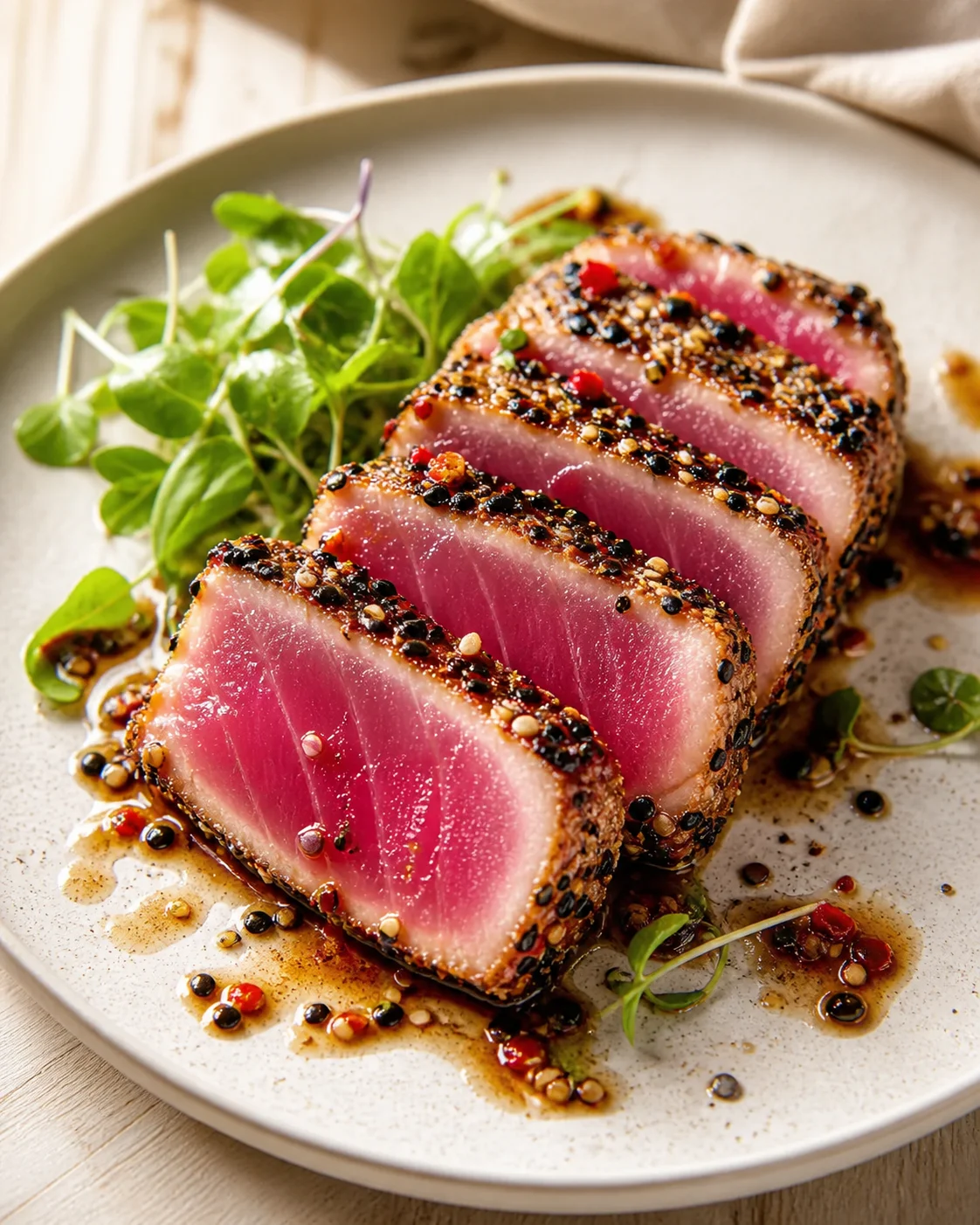
Play around with these flavor swaps and tweaks to customize your tuna steak to suit your taste and pantry:
- Swap marinades: try a miso and mirin glaze instead of soy and honey for a savory, Japanese twist; or a chili-lime and olive oil mix for a zesty Mexican vibe.
- Change the crust: press on sesame seeds, crushed pistachios, or lemon-pepper herb blends before cooking for texture and extra flavor.
- Use spice rubs: spice it up with Cajun or blackened seasoning in place of marinade for bold smoky flavors (see this quick blackened searing technique for spice ratios and timing).
- Alternate cooking methods: sear quickly on very high heat for rare centers, broil for a charred crust, or grill on cedar planks for a subtle smoky aroma.
- Swap serving styles: use leftover sliced tuna in tacos, salads, sandwiches, or warm grain bowls to make the most of your cooking.
- Make it diet-friendly: substitute tamari or coconut aminos for gluten-free needs; swap butter for extra olive oil to keep dairy-free.
- Choose your fish: yellowfin (ahi) offers tender, rare-friendly steaks; albacore is firmer with a fuller flavor but may need a bit longer to cook.
Storing and Reheating Tuna
Keeping your tuna tasting great even after cooking means storing and reheating it well. Here’s how to manage leftovers and prep:
- Cooked tuna: Cool to room temp within two hours, then store in an airtight container in the fridge. Eat within 2–3 days for best taste and safety. For day-two meals, flake leftovers into quick tuna cakes to avoid overcooking.
- Raw/sushi-grade tuna: Keep it very cold and aim to use it the same day. If storing, follow your fishmonger’s instructions and eat within 24–48 hours, keeping it below 40°F (4°C).
- Freezing: Cooked tuna can be frozen up to one month in sealed containers (texture might change a bit). For raw tuna, rely on flash-freeze guidelines if you want to freeze it for sushi later.
- Thawing: Thaw frozen tuna overnight in the fridge or sealed in cold water for about an hour. Avoid thawing at room temperature to keep it safe.
- Reheating tips: Warm gently to avoid dryness—try a quick sear (30–60 seconds per side), a low-temp oven (about 275°F/135°C) until warm, or short microwave bursts covered to keep moisture in. Alternatively, serve cold slices in salads—try Matthew McConaughey’s viral tuna salad—or tacos to keep the texture fresh.
- Make-ahead notes: You can mix the marinade and refrigerate it separately for up to 24 hours. Don’t reuse marinade that’s touched raw fish unless you boil it to kill bacteria first.
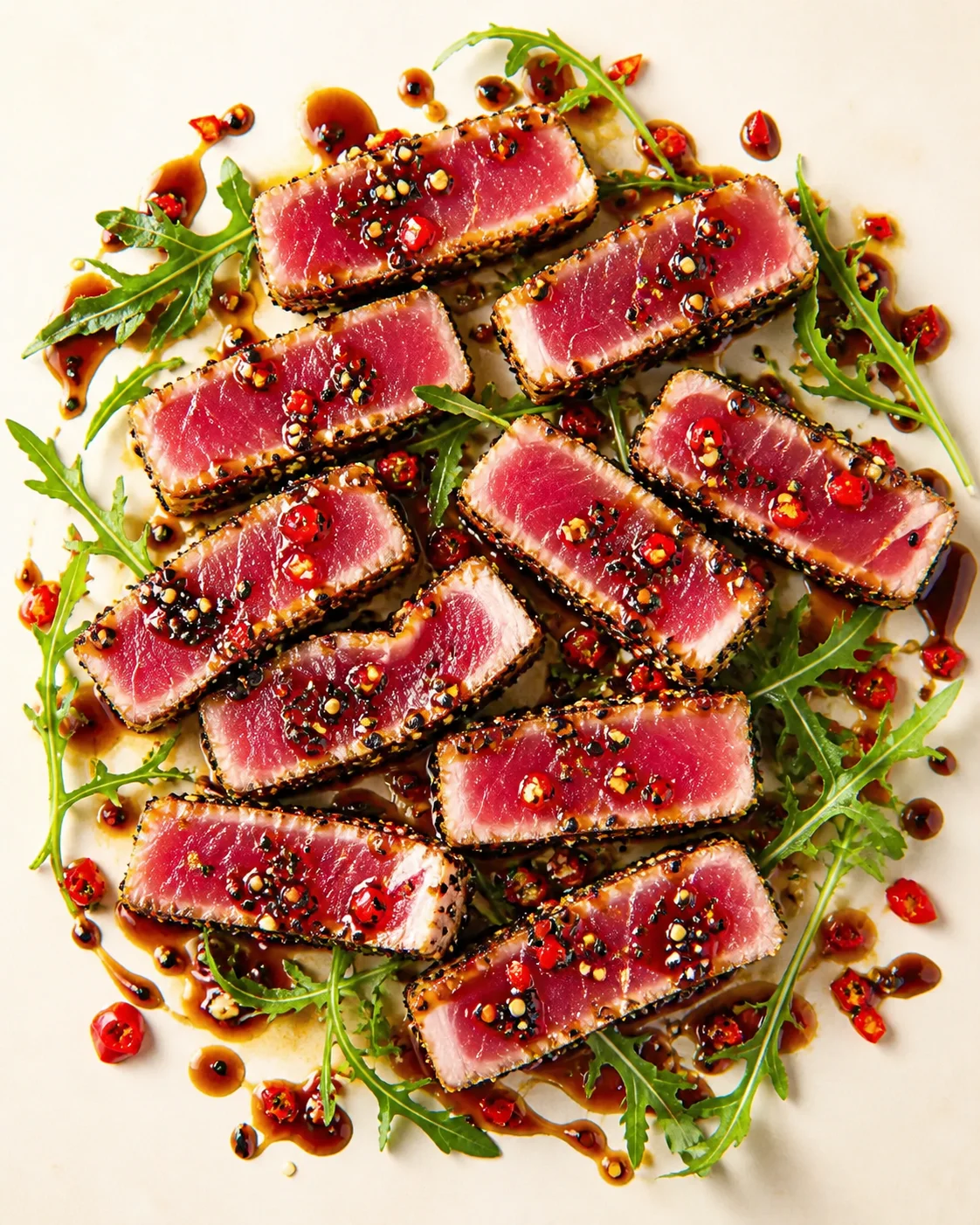
Common Questions About Tuna Steak
6.1 What is the best way to cook tuna steak?
The best way is to grill, sear, or broil the steak quickly so it stays moist and flavorful. Most people love it medium-rare. Prefer a fully cooked alternative? Try crispy tuna melt patties for a tender, well-done option.
6.2 Can tuna steak be eaten raw?
Yes! If it’s sushi-grade tuna, you can eat it raw as sashimi or sushi. Just make sure it’s very fresh and high quality.
6.3 How long do you grill a tuna steak?
Typically, about 1-2 minutes per side for medium-rare, but you can adjust timing depending on your preferred doneness.
6.4 What is the ideal internal temperature for tuna steak?
Around 125°F (52°C) is perfect for medium-rare tuna steak.
6.5 How can I tell when tuna steak is done?
You’ll see the edges turn opaque while the center stays pink; it should also flake easily with a fork.
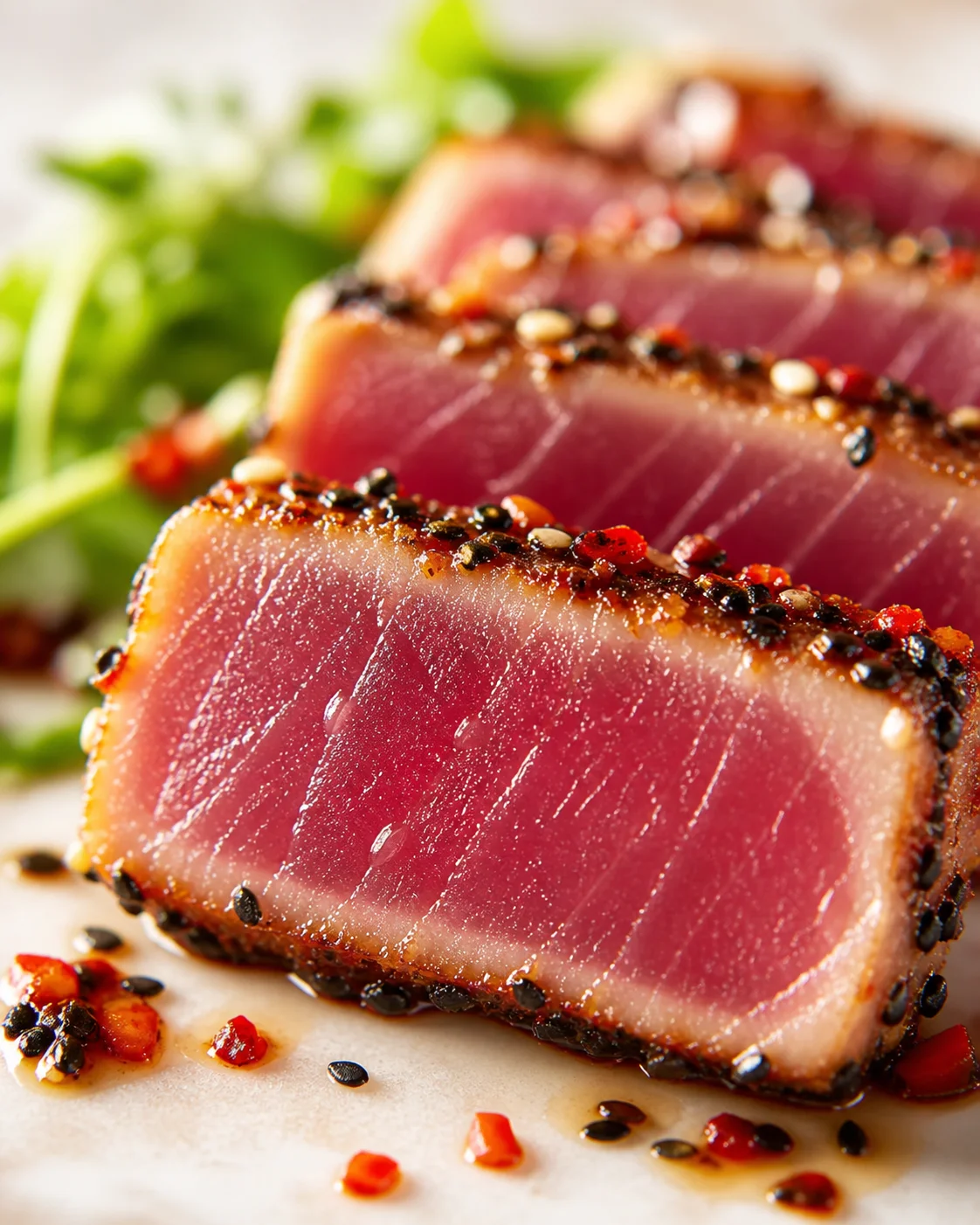
A flavorful and healthy sesame-crusted seared tuna steak dish with a perfect medium-rare center, easy to prepare with a tasty marinade and lemon butter sauce, ideal for grilling or searing.
- Prep Time: 15 minutes (plus up to 1 hour marinating)
- Cook Time: 3-5 minutes
- Total Time: 20 minutes (plus marinating time)
- Yield: 4 servings 1x
- Category: Main Course
Ingredients
- 4 pieces tuna steaks, 6 ounces each
- 1/4 cup olive oil
- 2 tablespoons soy sauce
- 2 tablespoons lemon juice
- 2 cloves garlic, minced
- 1 teaspoon fresh ginger, grated
- 1 teaspoon honey
- Salt, to taste
- Black pepper, to taste
- White sesame seeds, enough to press onto tuna
- Black sesame seeds, enough to press onto tuna
- Butter (for lemon butter sauce)
- Fresh parsley or cilantro (optional, for garnish)
Instructions
- Whisk together olive oil, soy sauce, lemon juice, minced garlic, grated ginger, honey, salt, and black pepper to make the marinade.
- Place tuna steaks in a shallow dish or resealable bag, pour in the marinade to coat, cover or seal, and refrigerate at least 15 minutes (up to 1 hour).
- Heat grill or grill pan to medium-high heat.
- Remove tuna steaks from marinade, shake off excess, and discard leftover marinade.
- Press white and black sesame seeds onto both sides of each tuna steak evenly to create the crust.
- Heat a skillet over medium-high heat with a bit of oil.
- Sear sesame-crusted tuna steaks about 1 minute per side, aiming to keep the center rare and approximately 125°F (52°C) for medium-rare doneness.
- Remove from heat and let the tuna rest for a few minutes.
- For the lemon butter sauce, melt butter gently in a small pan over low heat, add minced garlic, and cook until fragrant.
- Drizzle the warm lemon butter sauce over the seared tuna steaks.
- Slice tuna against the grain.
- Garnish with fresh parsley or cilantro if desired and serve immediately.
Notes
Aim for medium-rare doneness (~125°F/52°C) to keep tuna juicy and flavorful., Use sushi-grade tuna for the best quality, especially if consuming raw or rare., Thaw frozen tuna in the refrigerator overnight or sealed in cold water for about 1 hour before cooking., Leftover cooked tuna can be stored in an airtight container in the fridge and consumed within 2-3 days., Marinade can be prepared in advance and refrigerated separately for up to 24 hours., Do not reuse marinade that has been in contact with raw fish unless boiled., Alternative cooking methods include grilling, broiling, or enjoying the tuna raw as sashimi or sushi when sushi-grade.
Nutrition
- Serving Size: 1 tuna steak (6 ounces)
- Calories: Approximately 250 calories per serving
- Fat: Approximately 10g per serving
- Carbohydrates: Approximately 2g per serving
- Protein: Approximately 40g per serving