Lemon Garlic Tuna Cakes Simple and Tasty Recipe

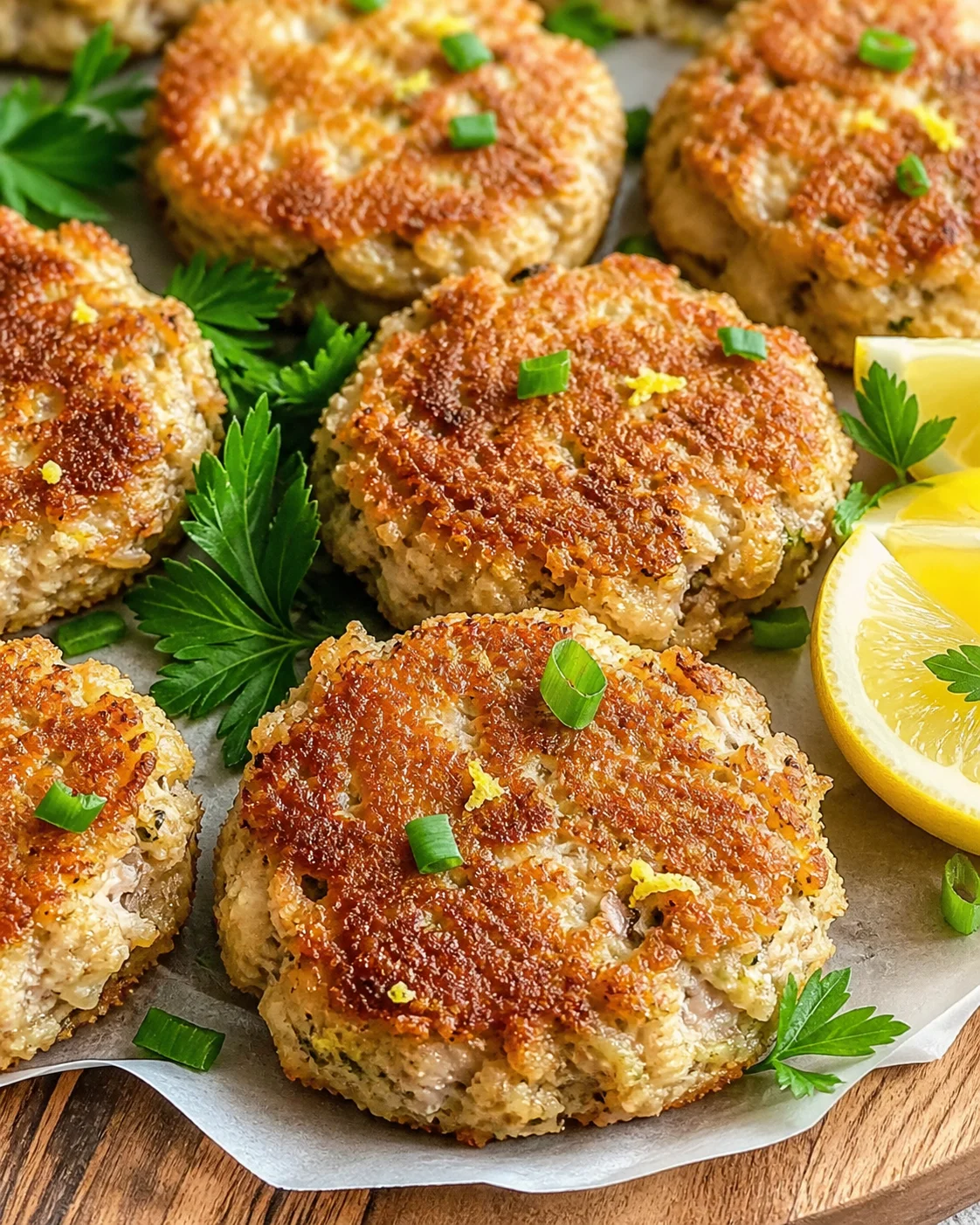
Looking for a quick, delicious dish that hits all the right notes? These Lemon Garlic Tuna Cakes are just what you need! This simple recipe blends the bright zing of lemon and the savory punch of garlic with tender tuna for a meal that’s both wholesome and mouthwatering. In this post, I’ll walk you through each step, share handy tips, and suggest some fun variations. Let’s get cooking and turn these tasty cakes into a family favorite!
Lemon garlic tuna cakes are a flavorful treat that mix tuna with vibrant seasonings. They’re super easy to throw together and perfect for breakfast, lunch, or dinner.
What are the main ingredients in Lemon Garlic Tuna Cakes?
The key players in these lemon garlic tuna cakes are canned tuna, breadcrumbs, and fresh herbs. You’ll also need mayo, egg, minced garlic, lemon zest, and lemon juice—ingredients that come together to make flavorful, tender patties.
What makes these tuna cakes unique?
These cakes stand out thanks to their lively citrus flavor and garlicky depth. The lemon brings fresh brightness, while the garlic adds a lovely savory backdrop. This combo makes these tuna cakes a step above your average version.
How can you benefit from adding lemon and garlic to tuna?
Adding lemon and garlic not only amps up the flavor but also packs some health perks. Lemons are high in vitamin C and help with digestion, while garlic has anti-inflammatory properties and supports a healthy heart. So, these tuna cakes are both tasty and good for you!
Looking for a quick, flavorful meal you can whip up in no time? These Lemon Garlic Tuna Cakes combine zesty citrus, savory garlic, and flaky tuna into a fast, satisfying dish. They’re easy enough for busy weeknights and versatile enough for meal prep or serving guests.
Inside this post, you’ll find everything you need—from a complete list of ingredients to clear, step-by-step instructions and smart tips to keep your cakes firm and golden brown. Plus, I’ll cover simple swaps, serving ideas, and storage hacks so your leftovers stay just as delicious.
Whether you’re cooking for yourself, feeding a hungry family, or packing lunches, this straightforward recipe is packed with helpful tips and a few creative twists to make the cakes your own.
Packed with Protein and Zest
Tuna cakes aren’t just tasty—they’re loaded with nutrients too. Tuna is a high-quality protein source, perfect for building and repairing muscles. A serving typically gives you about 20 grams of protein, making it a smart meal choice. For another protein-packed option, try this High-Protein Tuna Casserole with easy Greek yogurt sauce.
Along with protein, lemon and garlic bring a health boost. Vitamin C in lemons supports your immune system and keeps skin glowing. Garlic helps lower blood pressure and supports heart health, adding flavor without any extra calories.
These tuna cakes fit right into a balanced diet by combining protein, healthy fats, and carbs. Breadcrumbs give you energy, and olive oil adds those heart-friendly fats. Pair your cakes with a crisp salad, roasted veggies, or a garlic mushroom rice pilaf for a meal that feels both satisfying and nourishing. This Lemon Garlic Tuna Cakes recipe makes it simple to whip up a balanced, delicious dish.
Ingredients and Measurements
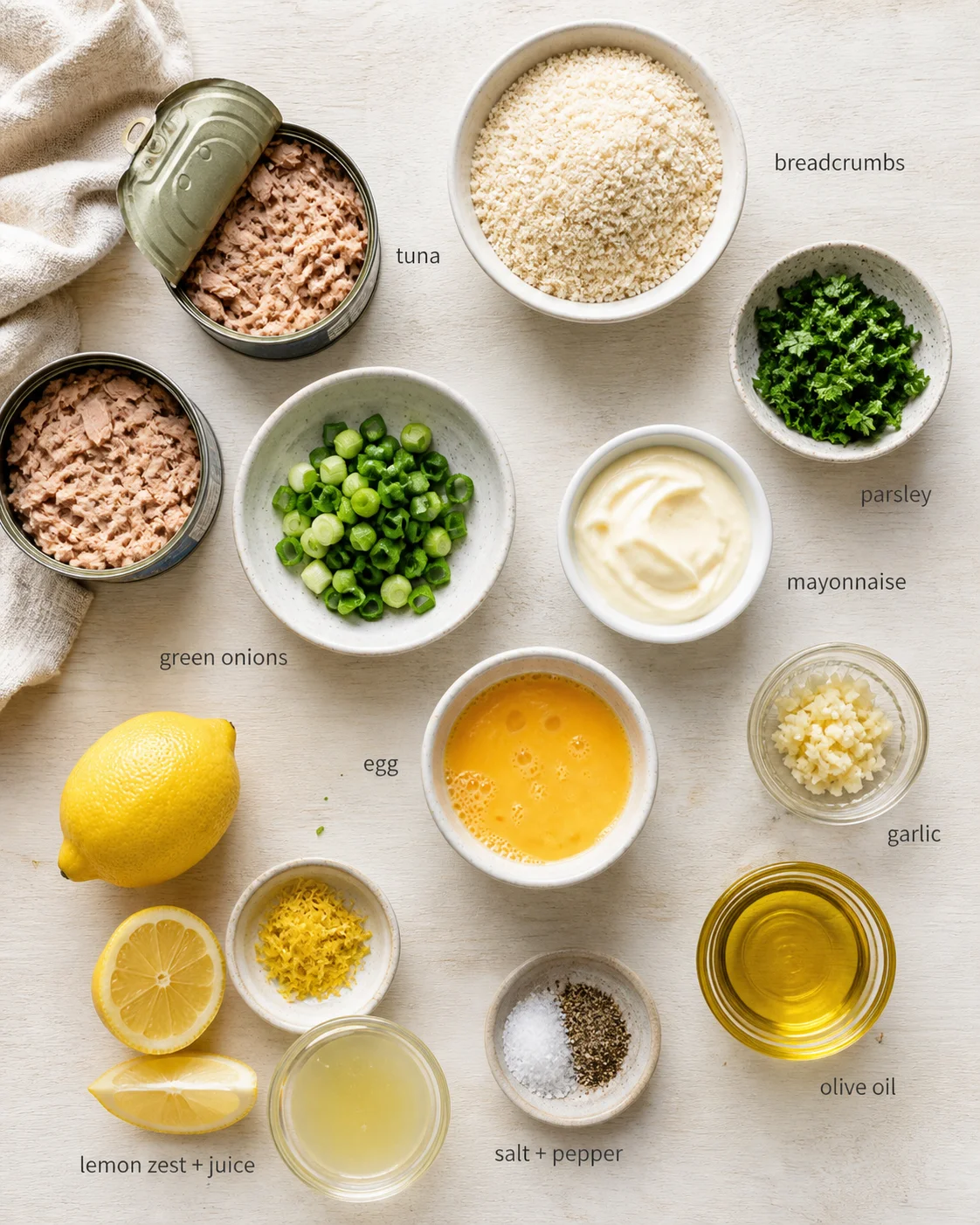
- 2 cans (5–6 oz each) tuna, drained (about 12 oz total)
- 1 cup breadcrumbs (gluten-free breadcrumbs work great too)
- 1/4 cup fresh parsley, chopped
- 2–3 green onions, chopped
- 1/3 cup mayonnaise
- 1 large egg, beaten
- 2 cloves garlic, minced
- Zest of 1 lemon and 1–2 tablespoons lemon juice
- Salt and freshly ground black pepper, to taste
- 2–3 tablespoons olive oil (for frying)
Step-by-Step Preparation
- Gather canned tuna, breadcrumbs, parsley, green onions, mayonnaise, egg, garlic, lemon zest, lemon juice, salt, pepper, and olive oil.
- Drain the tuna and toss it with breadcrumbs, chopped parsley, and chopped green onions in a large bowl.
- In a small bowl, whisk together mayonnaise, beaten egg, minced garlic, lemon zest, lemon juice, salt, and pepper until smooth.
- Pour the mayo mixture into the tuna bowl and gently fold until evenly combined.
- Form the mixture into about 8 patties, each roughly 2–3 inches across.
- Heat 2–3 tablespoons olive oil in a skillet over medium heat until shimmering.
-
Carefully add the patties to the hot oil and fry 4–5 minutes per side until golden brown and cooked through.
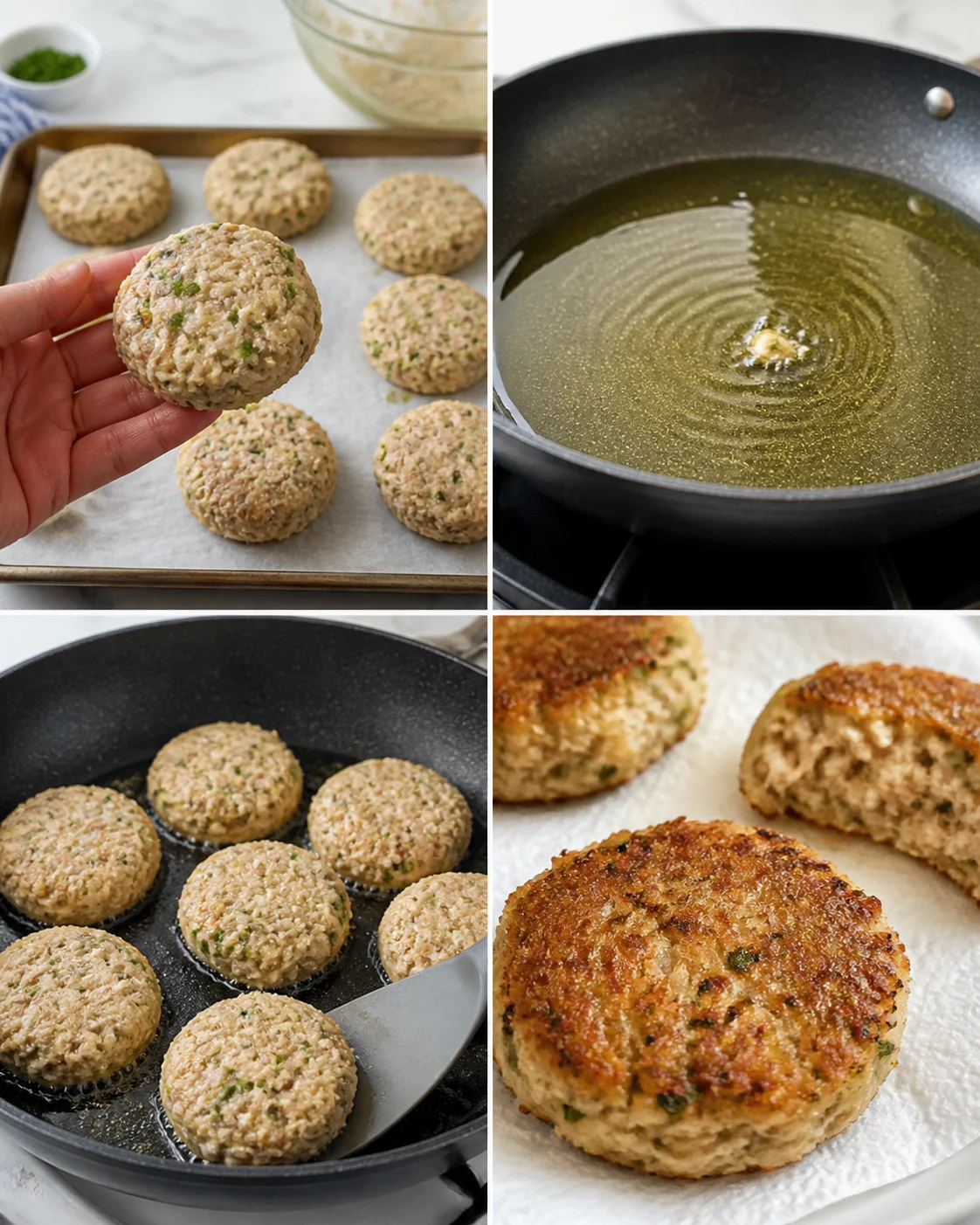
- Transfer cooked cakes to a paper-towel-lined plate to drain excess oil.
- Alternatively, bake the patties on a lightly oiled sheet at 400°F (200°C) for 12–15 minutes, flipping halfway, until golden and heated through.
Serving Ideas and Pro Tips
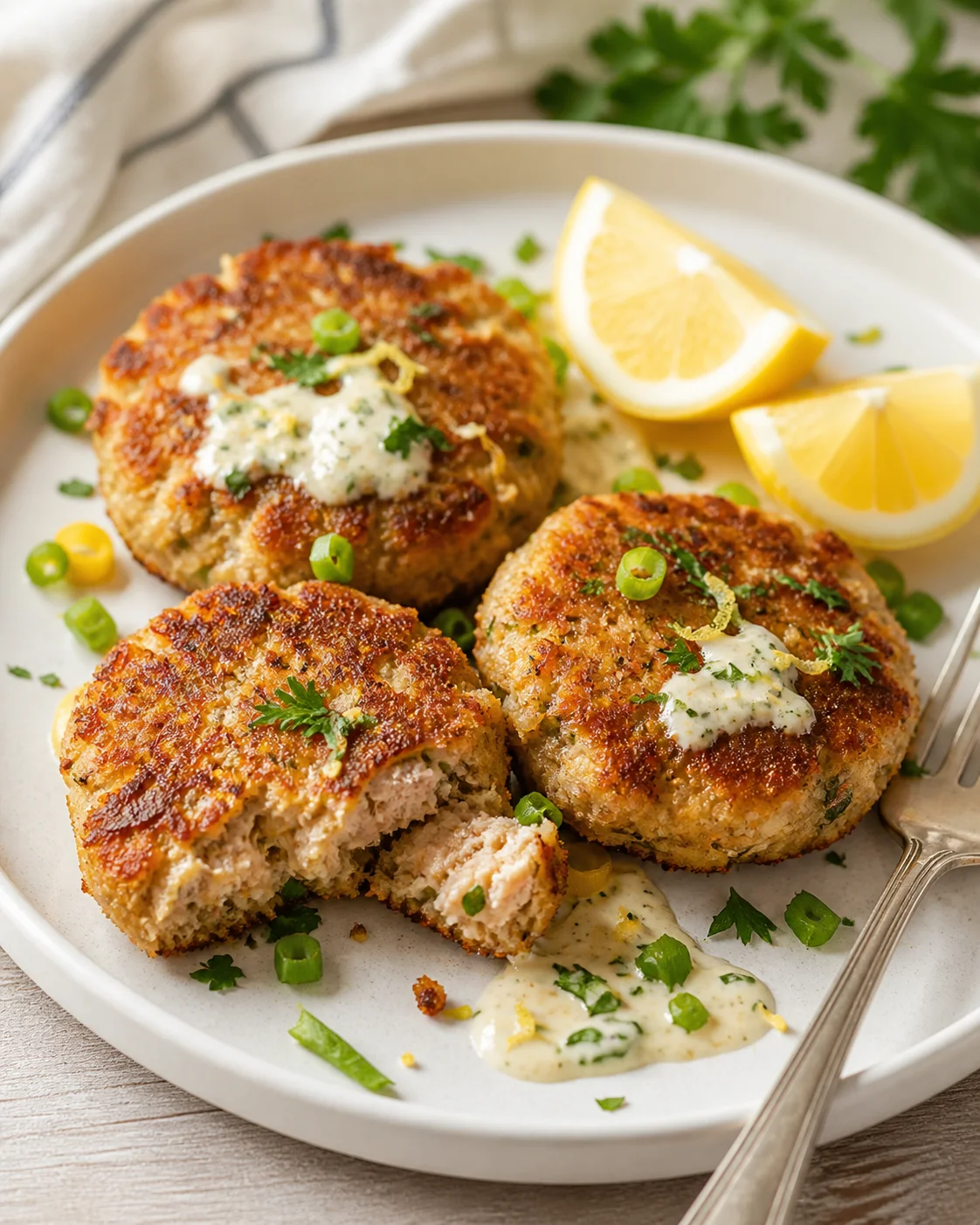
When it comes to serving your Lemon Garlic Tuna Cakes, you’ve got lots of options. A creamy tartar sauce is a classic match, but you can also try a bright lemon aioli or a creamy garlic aioli—either one really amps up the citrus vibe.
For meal prep, these cakes shine with a simple side salad—think mixed greens, tomatoes, and cucumbers to brighten the plate. They’re great packed in lunchboxes alongside lemon wedges to keep things fresh. If you’re after an even higher-protein twist that stays ultra-moist, try these high-protein cottage cheese tuna cakes.
Feeding a family? Try serving the cakes with fluffy rice or quinoa for a wholesome meal. You can even make mini sliders by popping the cakes into small buns—kids will love grabbing these fun bites.
Don’t be shy about adding some sides! Steamed veggies or roasted potatoes pair wonderfully, and a crunchy coleslaw adds a nice texture contrast. Have fun mixing and matching flavors to create meals your whole family will look forward to.
Mix-Ins and Substitution Ideas
You can customize these tuna cakes a bunch to fit your tastes and dietary needs.
What are some gluten-free options for tuna cakes?
For a gluten-free twist, swap out regular breadcrumbs for gluten-free versions. Crushed rice cakes or ground oats work well too, keeping the cakes together without losing texture.
How can you add vegetables to enhance nutrition?
Mixing in veggies is a great way to boost the nutrition. Try finely chopped bell peppers, spinach, or carrots. Grated zucchini is another great option—just be sure to squeeze out any moisture before adding so the cakes don’t get soggy.
What are some different flavor combinations or herbs you can use?
Get creative! Add fresh herbs like dill, basil, or cilantro for a new flavor angle. If you like a little heat, diced jalapeños or a splash of hot sauce do the trick. Swap lemon juice for lime juice for a slightly different citrus note. For an umami-forward, sesame-ginger spin, see this Asian Tuna Cakes recipe for inspiration. These simple tweaks can transform your tuna cakes into an exciting new dish each time.
Storage and Reheating Tips
Got leftovers? Here’s how to keep your tuna cakes tasting great.
What is the best way to store leftovers?
Once the tuna cakes have cooled, store them in an airtight container in the fridge. Layer parchment paper between the cakes to stop them from sticking together. They’ll keep well for up to three days.
How can you reheat tuna cakes without losing texture?
To reheat and keep that crispy outside, pop the cakes back into a skillet with a bit of olive oil over medium heat. Cook about 3 minutes per side until warmed through and crisp again. This beats microwaving, which can make them soggy. Alternatively, you can re-crisp them in a hot oven on a rack—see this technique for getting fish perfectly golden and flaky.
Can you freeze tuna cakes for later use?
Absolutely! Cool the cakes first, then freeze them in a single layer on a baking sheet. Once frozen solid, transfer to a freezer bag. They keep well for up to three months. When you’re ready to eat, thaw overnight in the fridge and reheat using the skillet method.
Common Questions Answered
- Q: How long do cooked tuna cakes keep in the fridge? A: Store cooled cakes in an airtight container for up to 3 days to keep them fresh.
- Q: Can I freeze tuna cakes? A: Yes! Freeze them in a single layer until solid, then move to a freezer bag. They last about 3 months. Thaw overnight before reheating.
- Q: What’s the best way to reheat them? A: Reheat in a skillet with a little olive oil over medium heat for 2–3 minutes per side to keep them crisp. You can also warm them in a 350°F (175°C) oven until heated through.
- Q: How do I prevent the cakes from falling apart? A: Use enough breadcrumbs and egg to bind, avoid overmixing, and ensure your pan and oil are hot before cooking—these blackened shrimp pan-searing tips show the timing and heat cues for a clean sear.
- Q: Can I make these gluten-free? A: Definitely! Use gluten-free breadcrumbs, crushed rice cakes, or ground oats instead of regular breadcrumbs.
- Q: Can I bake the cakes instead of frying? A: Yes. Bake them on a lightly oiled sheet at 400°F (200°C) for 12–15 minutes, flipping halfway until golden and heated through; for moisture and an even golden finish, this garlic butter baked cod method offers helpful oven-baking cues.
- Q: Can I use fresh tuna instead of canned? A: You can, but fresh tuna needs to be cooked and flaked first. Canned tuna is the quickest and gives consistent texture for this recipe.
- Q: How much protein is in a serving? A: Each serving with canned tuna typically has about 18–22 grams of protein, depending on the can size and mix-ins.
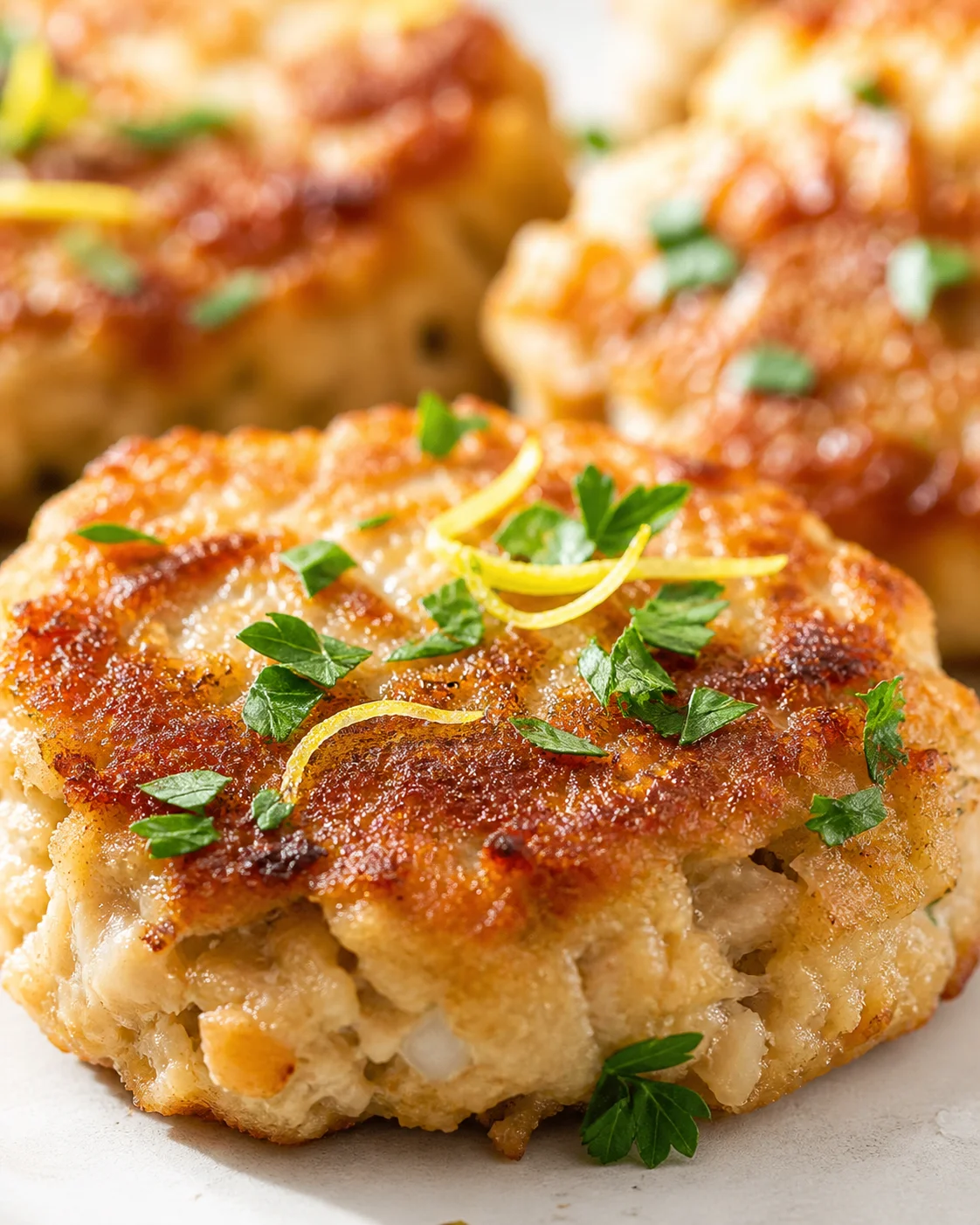
Delicious and easy-to-make tuna cakes infused with fresh lemon and garlic flavors, crispy on the outside and tender inside. Perfect for any meal and adaptable for gluten-free diets.
- Prep Time: 15 minutes
- Cook Time: 15 minutes
- Total Time: 30 minutes
- Yield: 8 patties 1x
- Category: Main Course
- Cuisine: American
Ingredients
- 2 cans (5–6 oz each) tuna, drained (about 12 oz total)
- 1 cup breadcrumbs (gluten-free breadcrumbs can be used)
- 1/4 cup fresh parsley, chopped
- 2–3 green onions, chopped
- 1/3 cup mayonnaise
- 1 large egg, beaten
- 2 cloves garlic, minced
- Zest of 1 lemon
- 1–2 tablespoons lemon juice
- Salt, to taste
- Freshly ground black pepper, to taste
- 2–3 tablespoons olive oil (for frying)
Instructions
- Gather all ingredients: canned tuna, breadcrumbs, parsley, green onions, mayonnaise, egg, garlic, lemon zest and juice, salt, pepper, and olive oil.
- Drain tuna and combine with breadcrumbs, chopped parsley, and green onions in a large bowl.
- In a separate small bowl, whisk together mayonnaise, beaten egg, minced garlic, lemon zest, lemon juice, salt, and pepper until smooth.
- Pour mayonnaise mixture into tuna mixture and gently fold until evenly combined.
- Form mixture into about 8 patties, each approximately 2–3 inches across.
- Heat olive oil in a skillet over medium heat until shimmering.
- Add patties carefully to hot oil and fry 4–5 minutes on each side until golden brown and cooked through.
- Transfer cooked cakes to a paper-towel-lined plate to drain excess oil.
- Alternatively, bake the patties on a lightly oiled sheet at 400°F (200°C) for 12–15 minutes, flipping halfway through, until golden and heated through.
Notes
For a gluten-free variation, use gluten-free breadcrumbs, crushed rice cakes, or ground oats as substitutes., To boost nutrition, finely chopped vegetables such as bell peppers, spinach, carrots, or grated zucchini (squeezed dry) can be added., Experiment with fresh herbs like dill, basil, or cilantro, or add diced jalapeños or hot sauce for heat., Serve with tartar sauce, lemon aioli, a side salad, roasted vegetables, rice, quinoa, or as mini sliders in small buns., Store leftovers in an airtight container with parchment paper between cakes for up to 3 days in the fridge., Reheat in a skillet with olive oil over medium heat for crispiness or warm in a 350°F (175°C) oven until heated through., Leftover cakes can be frozen up to 3 months; freeze in a single layer before transferring to a freezer bag., Use fresh tuna if desired but cook and flake it before preparing; canned tuna ensures consistent texture and speed.
Nutrition
- Serving Size: 1 patty
- Calories: Approximately 200-250 calories per patty (varies with exact ingredients and cooking method)
- Fat: Approximately 12-15 grams per serving
- Carbohydrates: Approximately 15-20 grams per serving
- Protein: Approximately 18–22 grams per serving