Blackened Shrimp Pan-Seared Ready in 20 Minutes

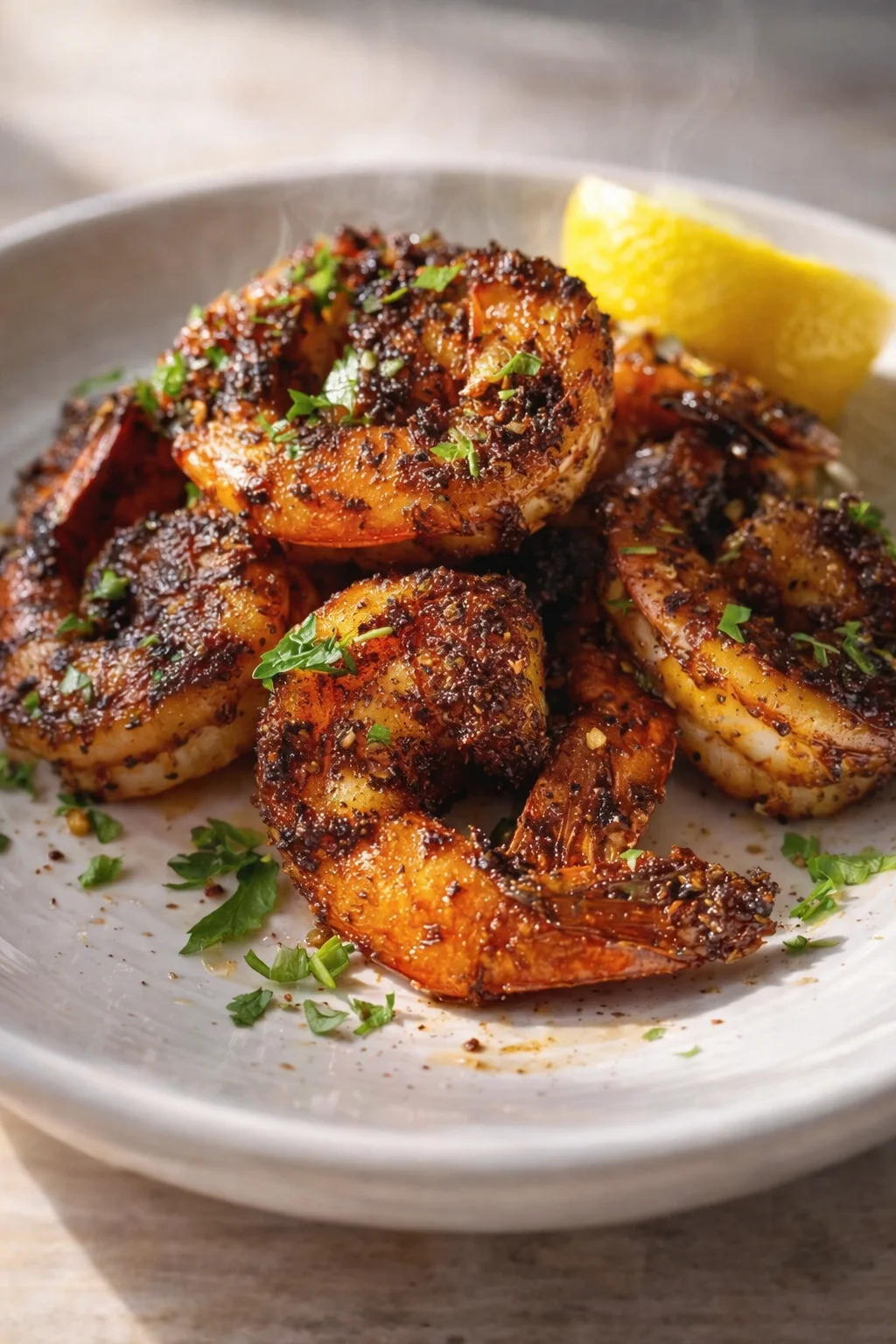
This quick blackened shrimp recipe shows you how to get a rich, savory crust in just minutes by pairing a high-heat sear with a buttery spice rub. This method uses fast Maillard reactions and toasted spices to create a smoky, dark exterior, all while keeping the shrimp juicy and perfectly tender inside.
Expect about 10 minutes total—around 5 minutes of hands-on prep and cooking, with 5 minutes of resting. We’ll go through the key steps: drying the shrimp, tossing them in melted butter, coating them in a spice mix (think smoked paprika, garlic and onion powder, thyme, oregano, cayenne, and a bit of brown sugar), and picking the right cooking method—cast iron skillet for the crispiest crust, or oven/air fryer if you want to cook bigger batches or avoid too much smoke.
- Who this is perfect for: quick weeknight dinners, tacos, or when you want to impress guests without sweating it.
- What you can expect: a deep, earthy smoky crust with a fresh pop from lemon juice and parsley.
- Make-ahead hint: mix your dry seasoning in advance and store it for up to 3 months for ultimate convenience.
Why the Crust Works
The “blackening” effect comes from two things: the Maillard reaction (that delicious browning) and the caramelizing of milk solids and spices when things get really hot. Unlike burning that tastes bitter, this combo creates tons of new, complex flavors as the brown sugar reacts with the shrimp’s proteins.
The Physics of the Crust
How it works: The 3 tablespoons of unsalted butter act like a heat conductor, letting the spices hit over 300°F without heating the tender shrimp flesh too much. This builds a protective spice crust that locks in moisture, making each bite juicy inside and crispy outside.
Cooking MethodTimeTextureBest WhenCast Iron Stovetop4-5 minutesCrunchy, deeply charred crustWhen you want max flavor and that classic blackened finishHigh Heat Oven8-10 minutesEvenly firm, lighter crustGreat for larger batches or less smoke in the kitchenAir Fryer6-7 minutesVery crisp, dry exteriorQuick cleanup or cutting back on fat
Picking your cooking method depends on your kitchen setup and how many mouths you’re feeding. For that authentic, restaurant-style crust, stovetop cast iron is unbeatable because it delivers powerful, direct heat.
Long story short, you get a bold, dramatic crust and juicy shrimp with almost no stress. This recipe is designed to give you big, restaurant-quality flavor in just about 10 minutes (around 5 minutes active), making it perfect for busy weeknights or for showing off at a party.
- Super speedy. From drying the shrimp to plate in roughly 10 minutes—that’s perfect for nights when time’s tight but you want knockout flavor.
- Fun texture contrast. The butter-spiced crust crisps up intensely while the shrimp inside stays tender and snappy.
- Deep, layered flavor. Smoked paprika, dried herbs, and a touch of brown sugar build smoky, savory, and slightly sweet notes, balanced by bright lemon and fresh parsley at the finish.
- Totally versatile. Use stovetop for the crispiest crust or oven/air fryer for bigger batches or less smoke—see how the oven delivers a crackly exterior in our Crispy Baked Cod that’s perfectly golden and flaky. Make tacos, shrimp and grits, salads, or a simple rice bowl.
- Prep ahead-friendly. Mix up the dry spices and store for months, or coat raw shrimp and freeze for quick dinners later.
- Heat and health options. Adjust cayenne pepper to your spice love, or swap butter for ghee or high-smoke oil if you want to lighten it up but keep that toasted flavor.
- Proven technique. Follow simple rules like drying shrimp well, using butter as your flavor carrier, and not overcrowding the pan for reliably delicious results.
- Eco-friendly tips. Peel your own shrimp? Save those shells! Use them for a quick seafood stock to stretch your ingredients and add flavor to soups or risottos.
Bottom line: this recipe is fast, forgiving, and packs big, complex flavors with a stunning finish—ideal for weeknights, tacos, or entertaining with zero stress.
What Each Ingredient Does
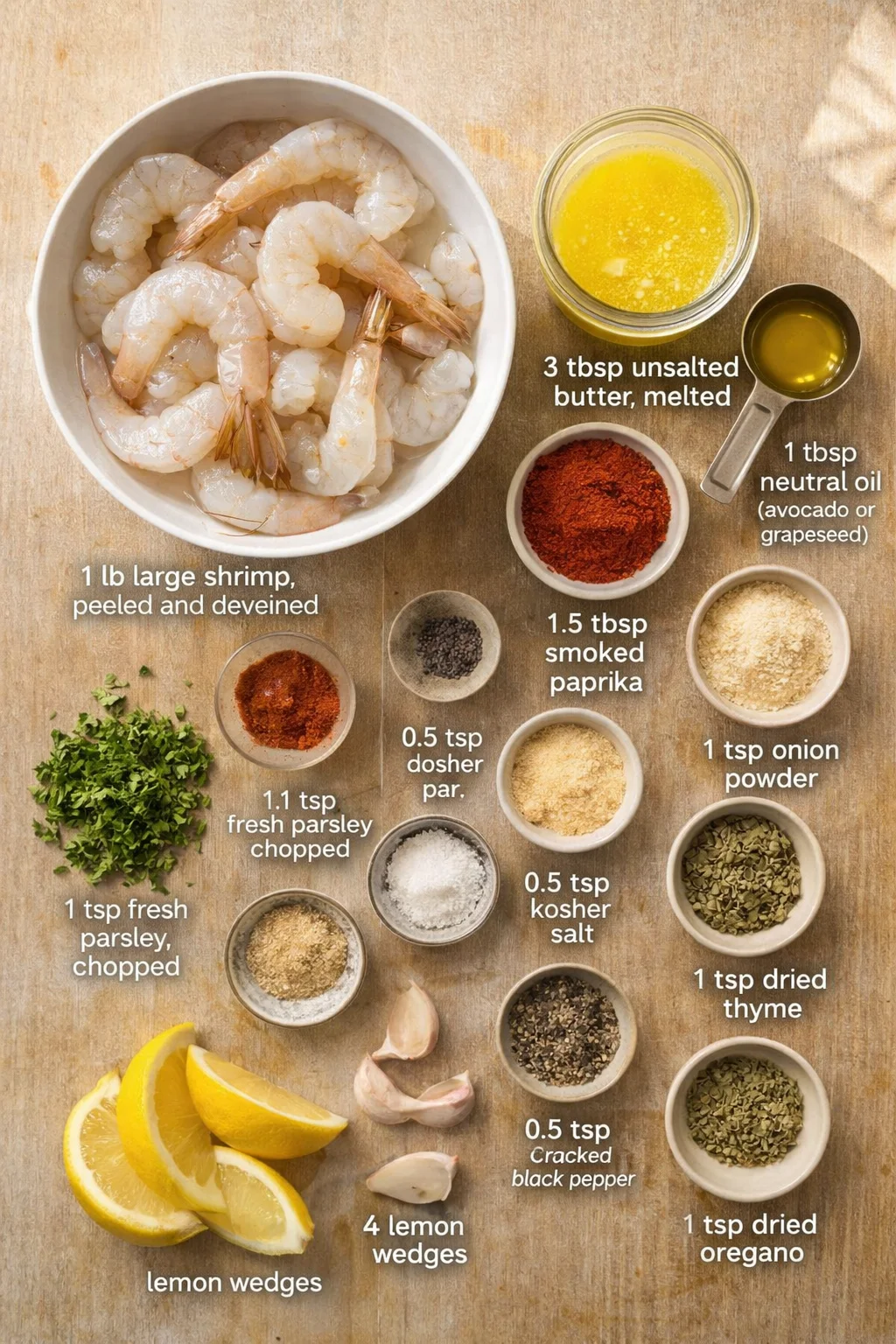
- 1 lb large shrimp, peeled and deveined
- 3 tbsp unsalted butter, melted
- 1 tbsp neutral oil (avocado or grapeseed)
- 1.5 tbsp smoked paprika
- 1 tsp garlic powder
- 1 tsp onion powder
- 1 tsp dried thyme
- 1 tsp dried oregano
- 0.5 tsp cayenne pepper
- 1 tsp kosher salt
- 0.5 tsp cracked black pepper
- 0.5 tsp brown sugar
- 1 tsp fresh parsley, chopped
- 4 lemon wedges
Prep and Sear for a Crust
- Pat shrimp completely dry with paper towels.
- Combine smoked paprika, garlic powder, onion powder, dried thyme, dried oregano, cayenne, kosher salt, cracked black pepper, and brown sugar in a small bowl.
- Toss shrimp in melted unsalted butter until evenly coated.
-
Sprinkle the seasoning over the buttery shrimp and toss gently to fully coat.
- Preheat a heavy skillet over medium-high heat with neutral oil until it shimmers and begins to smoke (about 3–4 minutes).
- Arrange shrimp in a single layer in the hot skillet without crowding so they sizzle.
- Sear shrimp 2 minutes without flipping.
-
Flip shrimp and cook 2–3 minutes more until shrimp turn opaque and the spices darken.
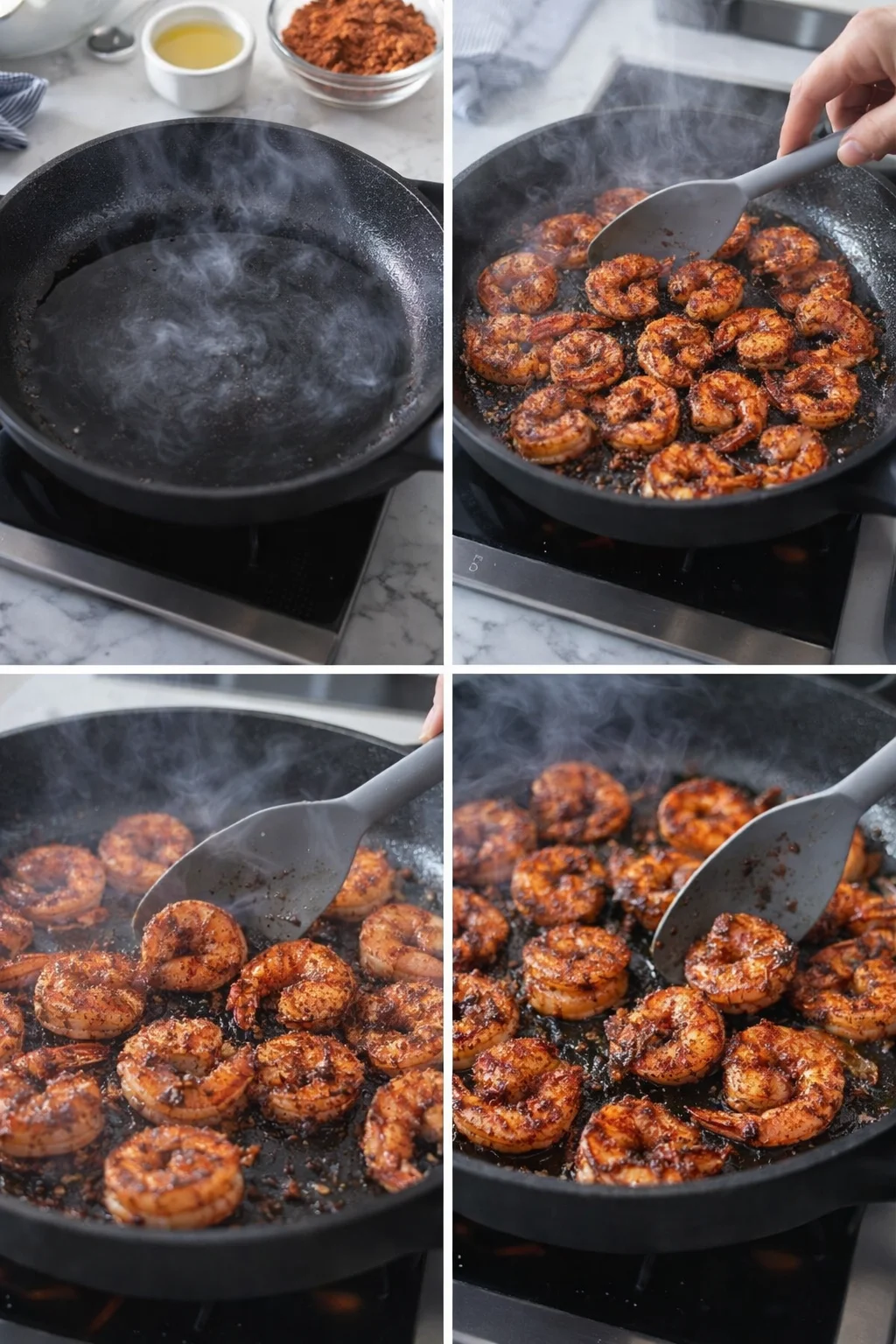
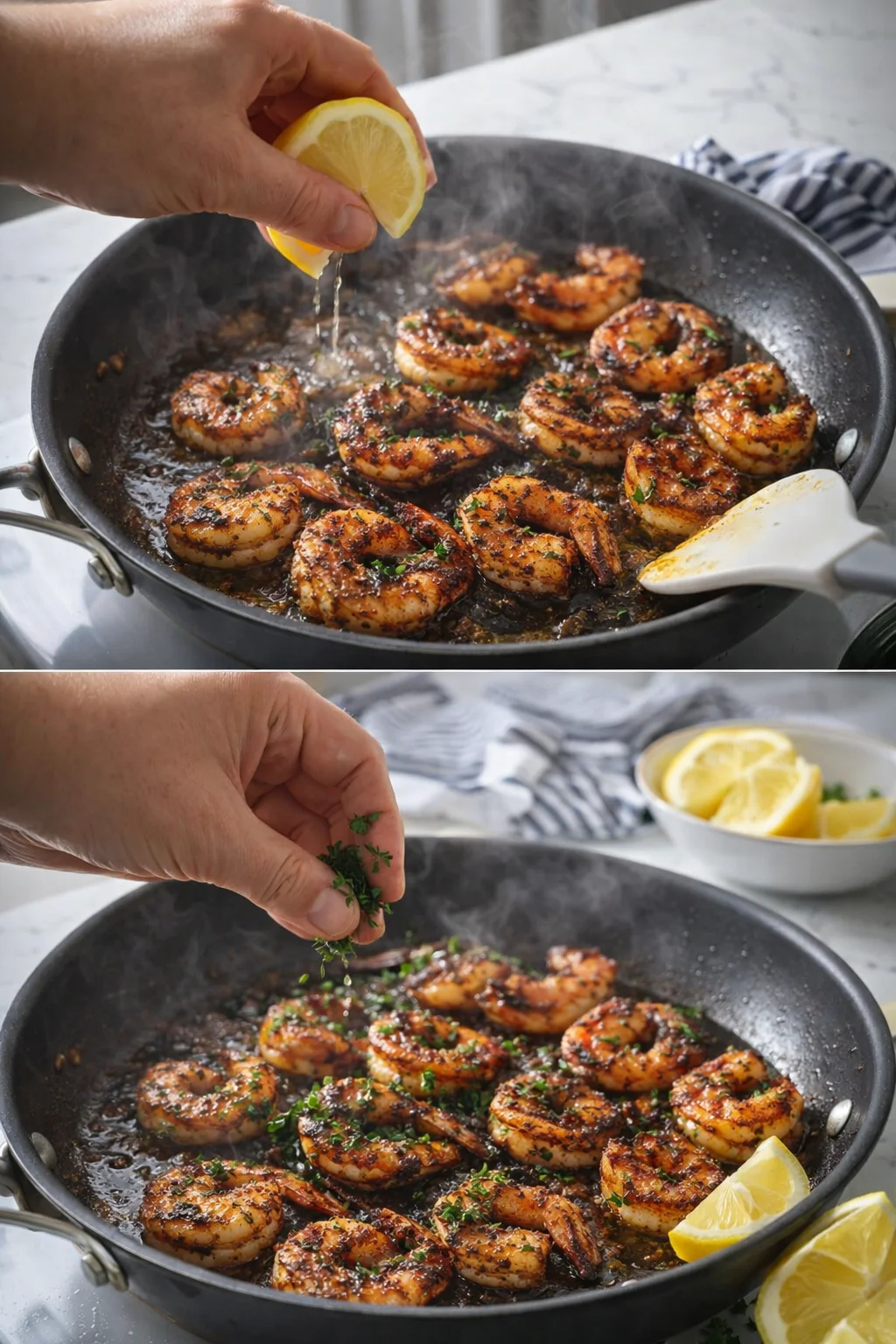
- Squeeze a lemon wedge into the hot pan to deglaze and lift browned bits onto the shrimp.
-
Sprinkle chopped parsley over the shrimp and serve with remaining lemon wedges.
Pro Tips for High Heat
For the best crust, avoid nonstick pans. You need a pan that can handle screaming hot temps without flinching. A cast iron skillet, like my trusty Lodge pan, is the top pick since it holds heat so well and doesn’t cool down when you add cold shrimp.
Chef’s Tip: Don’t have cast iron? A heavy-bottomed stainless steel pan is your next best bet. Steer clear of nonstick here—the coating could release toxins at the high heat needed for blackening.
You’ll also want some long tongs. Spices will splatter in hot oil, and tongs keep your hands safe while you flip shrimp quickly. If you’re wary of the mess, a splatter screen can save your stovetop from looking like a war zone.
I get it—we’ve all had that moment where the shrimp turns out pale and soggy instead of crisp and blackened. Usually, it’s down to a simple fix with heat or moisture control.
Why Is My Shrimp Rubber-y?
If the shrimp feels tough or bouncy, it’s probably overcooked. Shrimp is mostly water and protein; when overcooked, the proteins contract tightly and squeeze out the moisture, resulting in a rubbery texture.
ProblemLikely CauseHow to FixSoggy CrustPan overcrowded or shrimp too wetCook shrimp in batches and be sure to pat dry thoroughly next time.Bitter TasteSpices burnedTurn down heat a touch or add a little more oil to shield the spices.Rubbery ShrimpOvercookedRemove shrimp the moment they turn opaque and curl into a “C” shape.
Common Mistakes to Avoid
- ✓ Never cook frozen shrimp without fully thawing and patting dry first.
- ✓ Don’t skip the brown sugar—it’s your secret for that gorgeous mahogany crust; the same principle is at work in our honey-marinated cod, where a little sweetness promotes deeper caramelization.
- ✓ Preheat your pan for at least 3-4 minutes to reach optimal searing heat.
- ✓ Turn on your vent hood or crack a window early on if the smoke gets intense.
- ✓ Avoid “O” shaped shrimp; a tight circle means overcooked. Aim to cook just until they form a loose “C.”
Flavor Swaps and Add-Ins
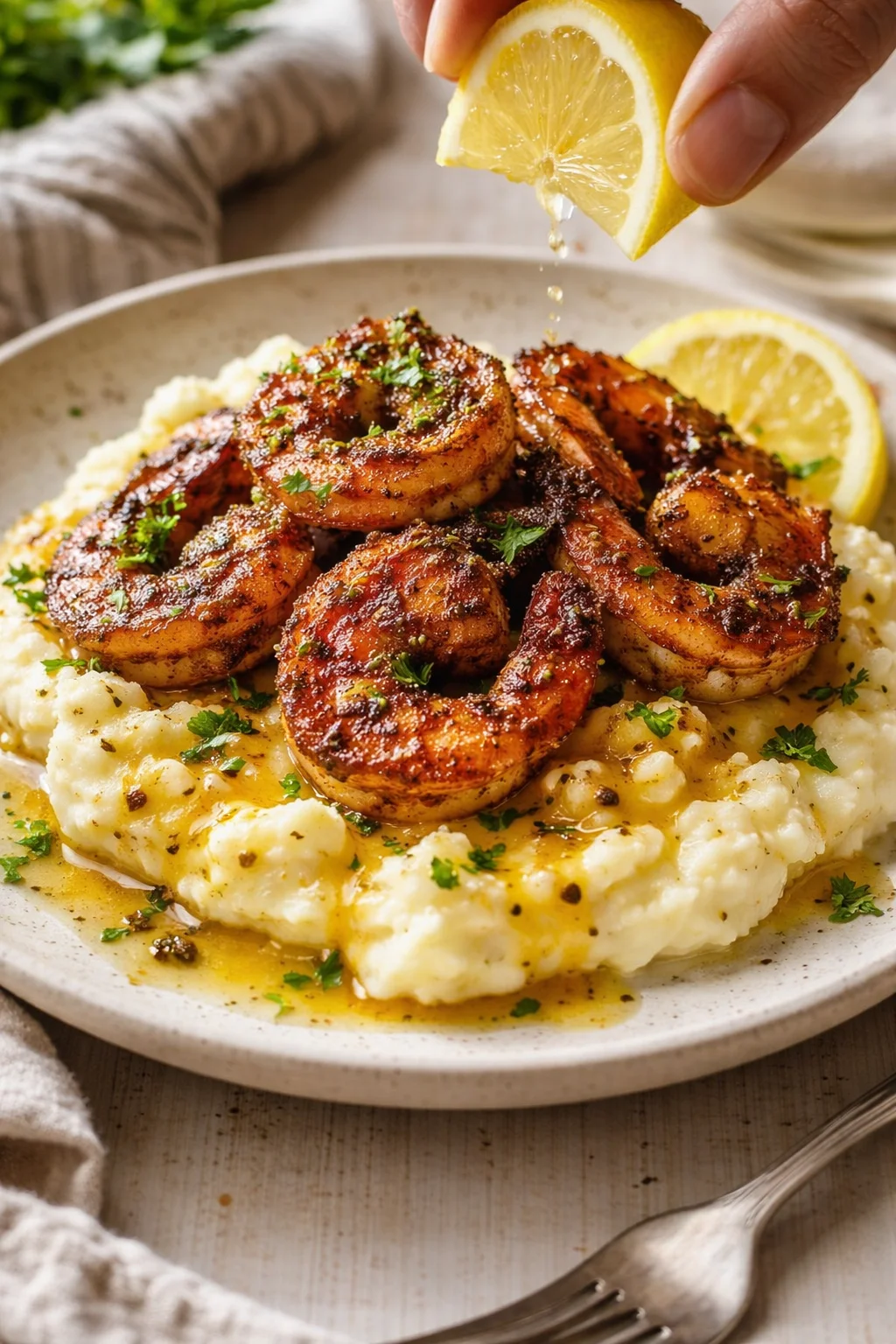
If you find yourself making this recipe regularly, it’s fun to mix up the seasoning ratios to suit your mood. This blackened shrimp is a fantastic base for all kinds of meals and flavor profiles.
Healthier Twist
If you’re cutting back on saturated fat, try swapping the butter for a good quality olive oil. You won’t get the same nutty browned milk solids, but your spices will still toast nicely. If you like it spicy, go ahead and bump the cayenne to a full teaspoon for some serious kick-start.
Classic Southern Style
Turn these into a hearty plate of classic “Shrimp and Grits.” Cook up creamy, cheesy stone-ground grits and nestle the blackened shrimp on top. That crunchy spice crust paired with smooth grits is pure comfort food heaven.
For extra flair, drizzle some of the leftover spiced butter from the pan over the plate—it’s pure indulgence without much effort.
The versatility here is what I love. The bold shrimp flavors can stand up to anything rich or spicy, so sides that are fresh and acidic work great to balance all that richness.
My go-to side? A bright slaw made from shredded cabbage, fresh lime juice, and a touch of honey—it cuts through the buttery crust beautifully. If you want something heartier, these shrimp make unbeatable tacos. Char some corn tortillas, add avocado crema, and you’re set for a dinner that feels like street food gold.
For a fancier dinner, serve these alongside fluffy jasmine rice and charred asparagus. The rice soaks up every last bit of spicy butter, and asparagus picks up the herbal notes from the thyme and oregano. Don’t forget extra lemon wedges on the side—that bright acid finish makes the dish sing. Feeling adventurous? Serve alongside garlic butter baked cod for a fun flavor contrast appetizer spread. Enjoy every sizzling bite!
Recipe FAQs
What is in blackened shrimp seasoning?
It’s a blend of dried herbs and spices designed to toast at high heat. Typically, you’ll find smoked paprika for color and warmth, garlic and onion powder for savoriness, thyme and oregano for herbal notes, plus salt, pepper, cayenne for heat, and a small bit of brown sugar to help caramelize.
Why is it called blackened shrimp?
The name comes from its dark, charred appearance. The spices and butter toast quickly on a very hot pan, forming a dark, flavorful crust—but it’s not burnt.
What’s the difference between grilled shrimp and blackened shrimp?
Grilled shrimp gets sear marks from grill grates, while blackened shrimp develops an even spice crust. Blackening is cooked on a very hot flat surface like cast iron with a heavy, buttered spice coating.
Which is healthier: blackened or grilled shrimp?
Grilled shrimp usually has fewer calories and fat, especially if no oil is added. Blackened shrimp uses butter to deliver flavor and a crust, so it has more fat.
What kind of shrimp should I use to make blackened shrimp?
Go with large shrimp, peeled and deveined, tails on or off. Make sure they’re fully dry before cooking so your crust develops properly.
What can I serve with blackened shrimp other than rice?
Serve with fresh, crisp sides to balance the spice. Try a tangy slaw, a simple green salad, or even creamy polenta to complement the flavors perfectly. For a cooling drizzle, try a coconut lemon cream sauce.
How do I stop the spices from burning during blackening?
Mix melted butter with a neutral, high smoke-point oil. This helps buffer the heat so the spices toast instead of burn, keeping flavor balanced and bright.
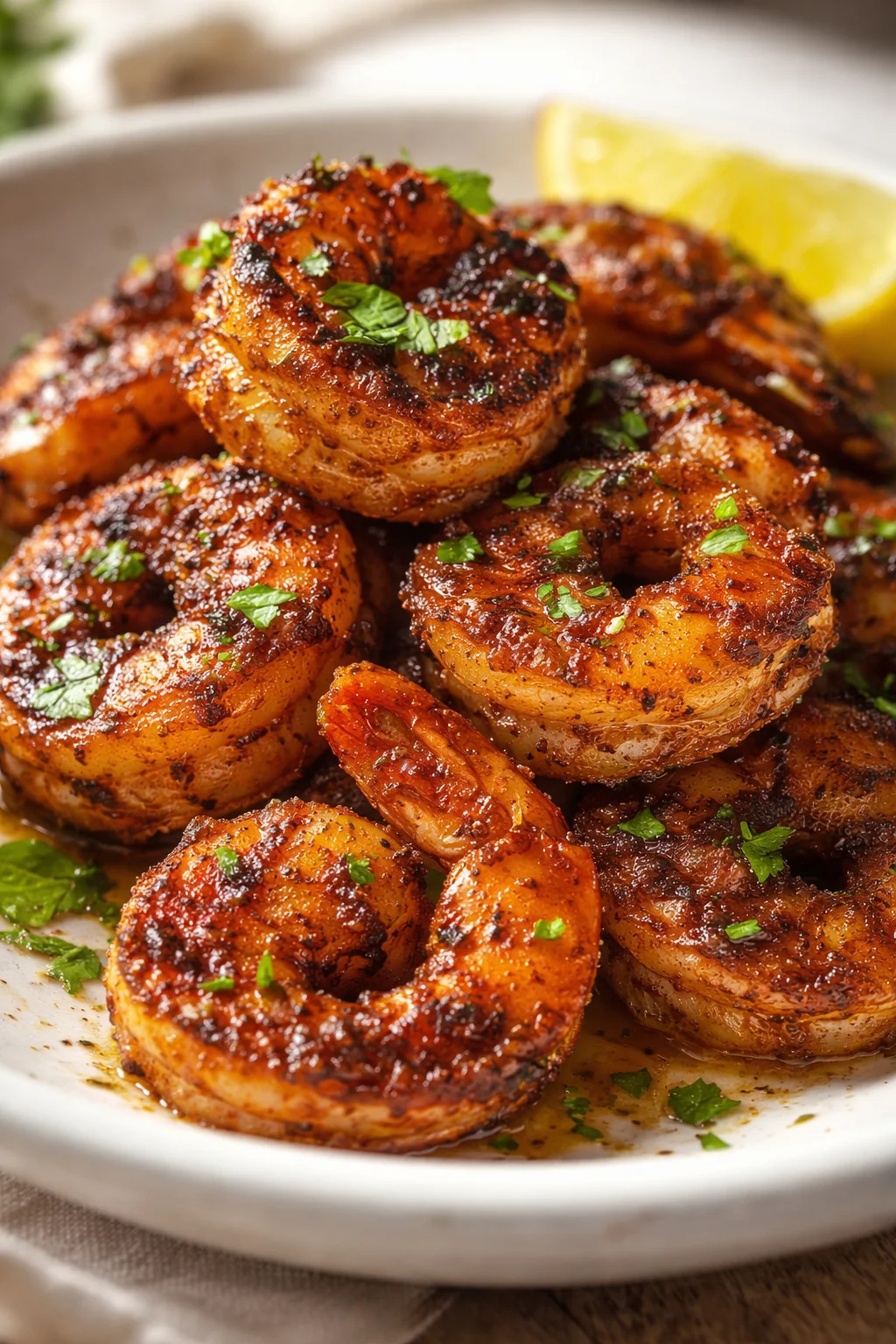
Nutrition Facts:
Calories214 kcalProtein21.2 gFat13.2 gCarbohydrates1.8 gFiber0.4 gSugar0.6 gSodium685 mg
Recipe Info:
CategoryMain CourseCuisineCajun/Creole
Storing and Reheating Leftovers
Seafood tastes best fresh, but if you have leftovers, here’s how to save them without losing too much of that signature flavor. Keep in mind, the crisp crust will soften in the fridge, but the taste stays bold and delicious.
Storage tips: In the fridge, store shrimp in an airtight container for up to 2 days. When reheating, skip the microwave—it tends to make shrimp rubbery. Instead, warm them gently in a hot dry skillet for about a minute per side until heated through.
Freezing: I don’t recommend freezing cooked blackened shrimp because the texture suffers on thawing. However, you can freeze uncooked shrimp coated with the dry seasoning for up to 1 month, making dinner prep even easier.
Zero Waste Idea: If you peel your own shrimp, save the shells and tails! Toss them in a freezer bag. When you have enough, simmer with onion scraps, carrot tops, and water for 20 minutes to make a quick, flavorful seafood stock. It’s a smart way to stretch ingredients and add richness to soups or risottos.
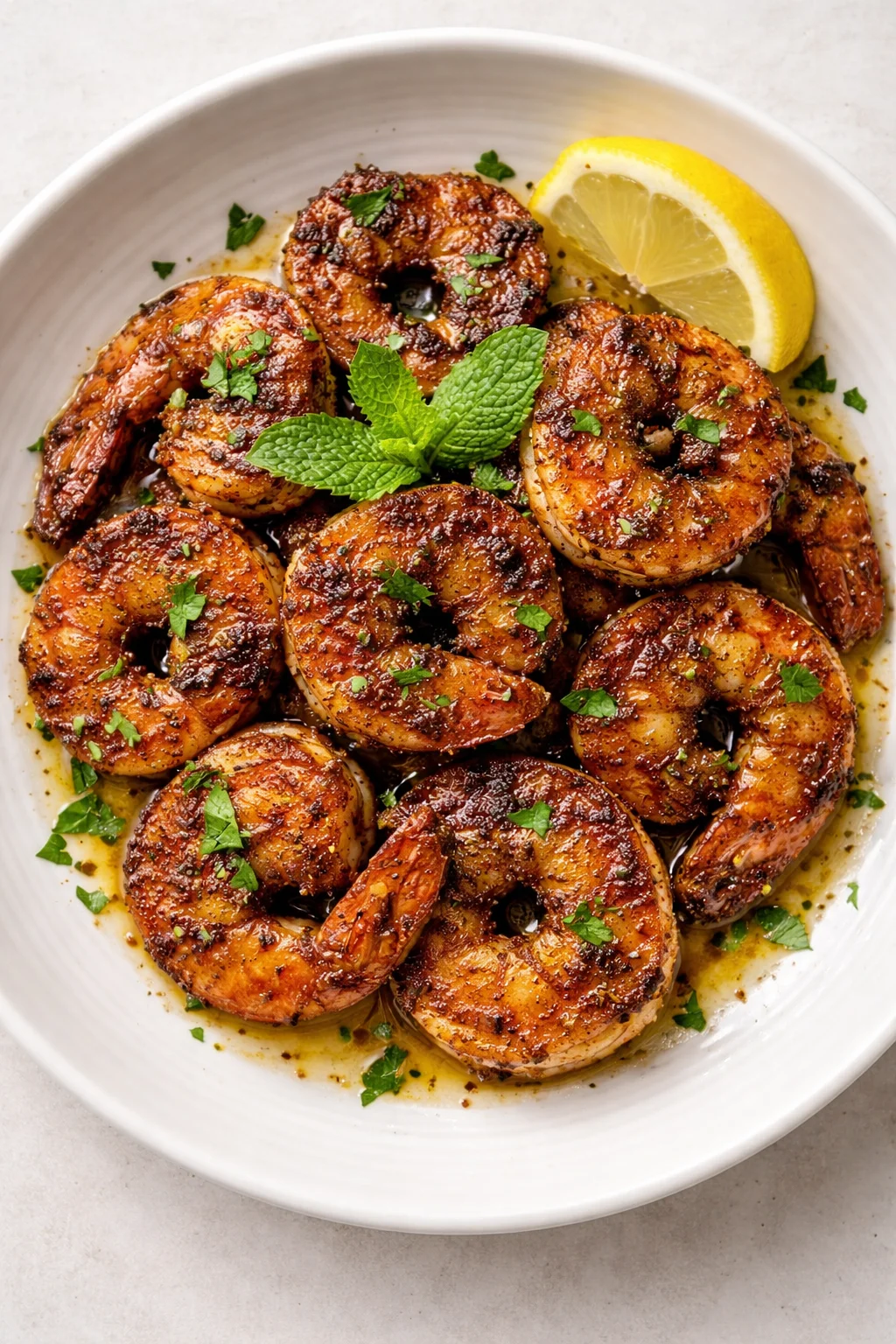
Common Questions About Blackening
What is in blackened shrimp seasoning?
It’s a blend of dried herbs and spices designed to toast at high heat. Typically, you’ll find smoked paprika for color and warmth, garlic and onion powder for savoriness, thyme and oregano for herbal notes, plus salt, pepper, cayenne for heat, and a small bit of brown sugar to help caramelize.
Why is it called blackened shrimp?
The name comes from its dark, charred appearance. The spices and butter toast quickly on a very hot pan, forming a dark, flavorful crust—but it’s not burnt.
What’s the difference between grilled shrimp and blackened shrimp?
Grilled shrimp gets sear marks from grill grates, while blackened shrimp develops an even spice crust. Blackening is cooked on a very hot flat surface like cast iron with a heavy, buttered spice coating.
Which is healthier: blackened or grilled shrimp?
Grilled shrimp usually has fewer calories and fat, especially if no oil is added. Blackened shrimp uses butter to deliver flavor and a crust, so it has more fat.
What kind of shrimp should I use to make blackened shrimp?
Go with large shrimp, peeled and deveined, tails on or off. Make sure they’re fully dry before cooking so your crust develops properly.
What can I serve with blackened shrimp other than rice?
Serve with fresh, crisp sides to balance the spice. Try a tangy slaw, a simple green salad, or even creamy polenta to complement the flavors perfectly.
How do I stop the spices from burning during blackening?
Mix melted butter with a neutral, high smoke-point oil. This helps buffer the heat so the spices toast instead of burn, keeping flavor balanced and bright.
What is in blackened shrimp seasoning?
It’s a high heat-ready mix of dried herbs and spices. Usually smoked paprika for color, garlic and onion powder for depth, thyme, oregano, salt, pepper, cayenne for heat, plus a half teaspoon of brown sugar to help caramelize and deepen the flavor.
Why is it called blackened shrimp?
The name comes from the look, not the cooking technique. The shrimp gets coated in butter and spices that toast quickly on very high heat, forming a dramatic, blackened crust.
What’s the difference between grilled shrimp and blackened shrimp?
Grilled shrimp gets those classic grill marks, while blackened shrimp gets an all-over crust. Blackening means using a hot flat pan with a thick butter-spice coating for flavor and texture.
Is blackened or grilled shrimp healthier?
Grilled shrimp is typically leaner, especially if cooked without added oil. Blackening uses butter to build flavor and crust, so it has more fat and calories.
What kind of shrimp should I use for blackening?
Use large, peeled, deveined shrimp, tails on or off. Dry them thoroughly before cooking to get that perfect crisp crust.
What can I serve with blackened shrimp besides rice?
Try light, fresh sides to cut through the spices. A tangy slaw, crisp salad, or creamy polenta all work beautifully to balance flavors.
How can I stop the spices from burning during blackening?
Mix melted butter with a neutral, high smoke-point oil like avocado or grapeseed. This helps prevent the spices from burning while toasting nicely, keeping flavors bright and balanced.
PrintA quick and flavorful blackened shrimp recipe featuring a buttery spice rub that forms a rich, smoky crust while keeping shrimp tender inside. Suitable for weeknight dinners, tacos, or entertaining with minimal prep.
- Prep Time: 5 minutes
- Cook Time: 5 minutes
- Total Time: 10 minutes
- Yield: 4 servings 1x
- Category: Main Course
- Cuisine: Cajun/Creole
Ingredients
- 1 lb large shrimp, peeled and deveined
- 3 tbsp unsalted butter, melted
- 1 tbsp neutral oil (avocado or grapeseed)
- 1.5 tbsp smoked paprika
- 1 tsp garlic powder
- 1 tsp onion powder
- 1 tsp dried thyme
- 1 tsp dried oregano
- 0.5 tsp cayenne pepper
- 1 tsp kosher salt
- 0.5 tsp cracked black pepper
- 0.5 tsp brown sugar
- 1 tsp fresh parsley, chopped
- 4 lemon wedges
Instructions
- Pat shrimp completely dry with paper towels.
- Combine smoked paprika, garlic powder, onion powder, dried thyme, dried oregano, cayenne, kosher salt, cracked black pepper, and brown sugar in a small bowl to make the seasoning mix.
- Toss shrimp in melted unsalted butter until evenly coated.
- Sprinkle the seasoning over the buttery shrimp and toss gently to fully coat.
- Preheat a heavy skillet (preferably cast iron) over medium-high heat with neutral oil until it shimmers and begins to smoke (about 3–4 minutes).
- Arrange shrimp in a single layer in the hot skillet without overcrowding so they sizzle.
- Sear shrimp for 2 minutes without flipping.
- Flip shrimp and cook for 2–3 minutes more until shrimp turn opaque and the spices darken to form a crust.
- Squeeze a lemon wedge into the hot pan to deglaze and lift browned bits onto the shrimp.
- Sprinkle chopped parsley over the shrimp and serve with remaining lemon wedges.
Notes
Use a cast iron skillet for the crispiest, deepest charred crust., For larger batches or less smoke, cook in a high heat oven (8-10 minutes) or air fryer (6-7 minutes)., Avoid nonstick pans as they may release toxins at high heat and do not hold heat well., Do not overcrowd the pan, cook in batches if needed to ensure proper crust formation., Adjust cayenne pepper to control spiciness., Butter can be swapped for ghee or high smoke-point oil to reduce saturated fat while retaining toasted flavor., Dry shrimp thoroughly to prevent soggy crust and enable crust development., Leftovers keep well refrigerated up to 2 days, reheat gently in a skillet to avoid rubbery texture., Dry seasoning mix can be made ahead and stored for up to 3 months., Uncooked shrimp coated in dry seasoning can be frozen up to 1 month for convenience.
Nutrition
- Serving Size: approximately 4 oz shrimp per serving
- Calories: 214 kcal per serving
- Fat: 13.2 g per serving
- Carbohydrates: 1.8 g per serving
- Protein: 21.2 g per serving